Tattoo Removal Machine: Modern Solutions for Ink Removal
Tattoos have become a popular form of personal expression, allowing people to represent their memories, beliefs, interests, and individuality through body art.
 Addisonjons
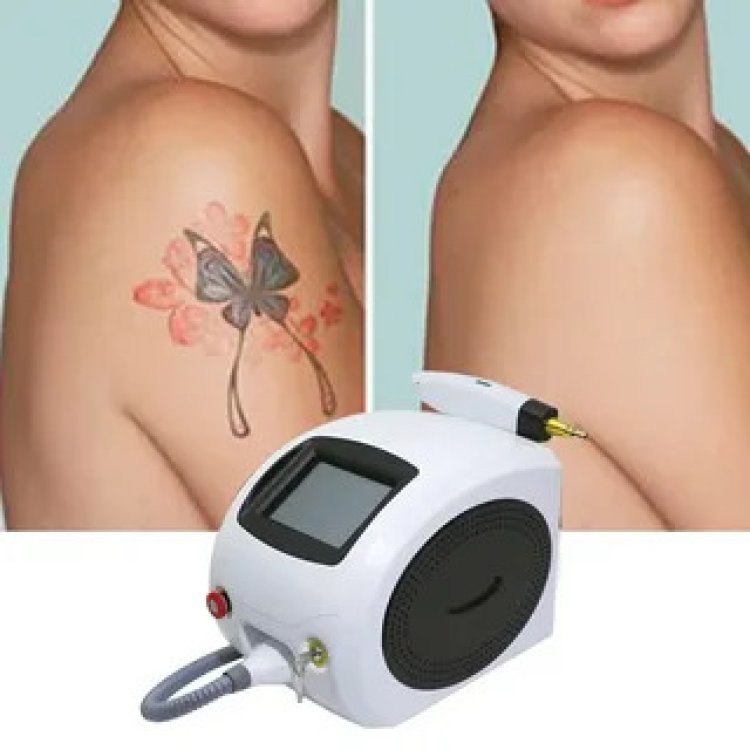
Tattoos have become a popular form of personal expression, allowing people to represent their memories, beliefs, interests, and individuality through body art. However, preferences can change over time.
Some individuals may wish to remove an old tattoo because it no longer reflects their personality, while others may want to clear space for new artwork or address an unsatisfactory tattoo design. Advances in aesthetic technology have made tattoo removal more accessible, offering modern solutions designed to reduce unwanted ink safely and effectively.
Laser-based treatments have transformed the tattoo removal industry by providing targeted approaches to breaking down tattoo pigments. Modern equipment offers improved precision, adjustable settings, and treatment options for different ink colours and skin types.
Understanding how these technologies work, what to expect during treatment, and how to select suitable equipment can help individuals and aesthetic professionals make informed decisions.
Understanding Modern Tattoo Removal Technology
Traditional tattoo removal methods often involved procedures that could cause considerable skin damage or leave noticeable scars. Modern laser technology provides a more controlled alternative by targeting tattoo pigments beneath the skin's surface.
A professional tattoo removal machine uses concentrated light energy to break tattoo ink into smaller particles. The body's natural immune system gradually processes and eliminates these fragmented pigment particles over time. Multiple treatment sessions are generally necessary because tattoo ink is deposited at different depths within the skin.
The effectiveness of treatment depends on several factors, including ink colour, tattoo age, pigment density, skin characteristics, and the technology being used. Professional assessment is essential before beginning any removal procedure.
How Laser Tattoo Removal Works
Laser tattoo removal works through a process known as selective photothermolysis. This technique delivers specific wavelengths of light that are absorbed by tattoo pigments without intentionally targeting surrounding skin tissue.
When the laser energy reaches the pigment, it creates a rapid heating effect that breaks the ink into smaller particles. These particles are gradually removed through the body's natural biological processes.
Different wavelengths are used to target different ink colours. For example, certain wavelengths are particularly effective against black and dark blue pigments, while other wavelengths may be needed for green, red, and lighter colours.
Modern systems allow trained professionals to adjust treatment parameters according to the tattoo's characteristics. These adjustments help improve treatment precision and support appropriate skin protection.
Different Types of Tattoo Removal Equipment
Several technologies are available in the aesthetic industry, each offering different treatment capabilities.
1. Q-Switched Laser Technology
Q-switched lasers have been widely used for tattoo removal because they deliver high-energy pulses over extremely short periods. These pulses help fragment tattoo pigments while limiting unnecessary heat exposure to surrounding tissue.
Common Q-switched systems include:
Q-switched Nd:YAG lasers.
Ruby lasers.
Alexandrite lasers.
Nd:YAG technology is particularly popular because different wavelengths can target various tattoo pigments.
2. Picosecond Laser Technology
Picosecond lasers represent a more recent development in aesthetic treatment technology. They deliver extremely short energy pulses, measured in trillionths of a second.
These rapid pulses produce a strong photoacoustic effect that helps break pigment into smaller particles. Depending on the tattoo and individual skin characteristics, this technology may offer advantages for certain stubborn or multicoloured tattoos.
However, results vary, and picosecond treatments are not guaranteed to remove every tattoo completely.
3. Nd:YAG Laser Systems
Nd:YAG laser systems are commonly used in professional aesthetic environments. They are available with different wavelength options, allowing practitioners to address several pigment colours.
Their versatility makes them suitable for various cosmetic applications, including tattoo and pigmentation treatments, depending on the equipment's intended use and regulatory approval.
Benefits of Modern Tattoo Removal Solutions
Technological improvements have introduced several advantages for individuals considering tattoo removal.
Improved precision: Modern laser systems allow practitioners to target tattoo pigments more accurately, helping reduce unnecessary exposure of surrounding skin.
Multiple ink colour options: Different wavelengths make it possible to address a wider range of tattoo colours than some older treatment approaches.
Non-surgical treatment: Laser removal generally does not require surgical incisions, making it an alternative to invasive removal procedures.
Customisable settings: Professional equipment offers adjustable treatment parameters that can be selected according to the tattoo's size, colour, depth, and location.
Gradual fading: Rather than attempting to remove all pigment in one session, laser treatments gradually reduce the visible appearance of unwanted tattoos.
These benefits make modern laser solutions an important part of the growing aesthetic treatment industry.
Exploring Mychway Aesthetic Equipment
Mychway is a brand associated with professional beauty and aesthetic equipment, offering solutions designed for clinics, salons, and beauty professionals. Its product range covers various aesthetic technologies and treatment applications.
For professionals exploring modern equipment, MyChway provides an opportunity to compare available devices, features, and specifications according to their business requirements. Before purchasing any laser-based system, buyers should carefully review its intended applications, technical documentation, safety certifications, and regulatory status to ensure it meets professional treatment standards.
The Future of Tattoo Removal Technology
The tattoo removal industry continues to develop as manufacturers introduce improvements in laser precision, pulse delivery, and treatment flexibility. Research into different wavelengths and pigment responses may help improve the management of difficult-to-remove tattoo colours.
Future innovations may also focus on making treatments more comfortable, improving equipment usability, and supporting more personalised treatment plans.
Artificial intelligence and advanced skin assessment technologies may eventually contribute to more accurate treatment planning. However, professional expertise and individual assessment will remain essential for safe and effective procedures.
Conclusion
Modern tattoo removal technology has changed how unwanted tattoos can be treated. Laser-based solutions provide targeted methods for breaking down tattoo pigments, offering individuals an alternative to older and more invasive removal approaches.
Understanding available technologies, treatment expectations, safety requirements, and equipment specifications is essential for both patients and aesthetic professionals. With appropriate technology, qualified practitioners, and realistic expectations, modern ink removal solutions can help people move forward from unwanted body art while prioritising skin health and safety.