Can Hormonal Acne Be Treated Without Taking Long-Term Medication?
Learn how Pimple Treatment in Islamabad can help manage hormonal acne without relying on long-term oral medication.
 umar
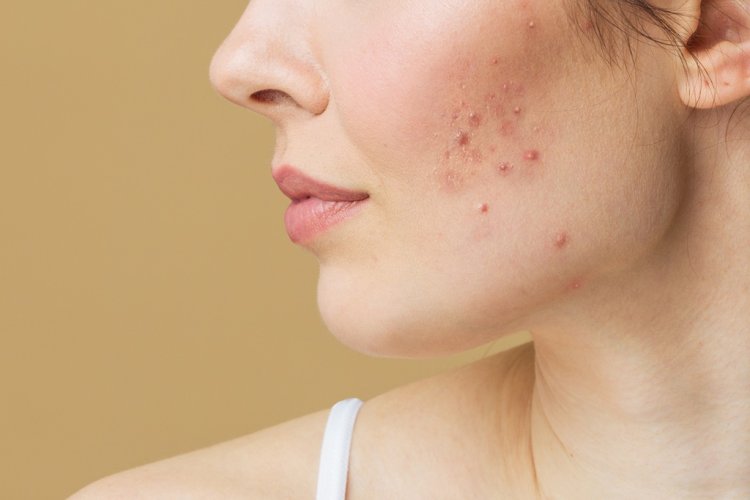
Have you ever managed to clear your pimples, only to notice them returning around your chin, jawline, or cheeks a few weeks later? This repeated cycle can be frustrating, particularly when you want clearer skin without depending on medication indefinitely. For people considering Pimple Treatment in Islamabad, an important question is whether hormonal acne can be controlled through skincare, lifestyle adjustments, and targeted treatments instead of long-term oral medication.
The answer is yes in some cases, but it depends on the severity of acne, its underlying hormonal triggers, and how frequently breakouts return. Some people achieve lasting improvement after a limited treatment course, while others need ongoing maintenance to keep their skin clear. The goal is to control acne sustainably without using more medication than necessary.
Why Does Hormonal Acne Keep Coming Back?
Hormonal acne develops when changes in hormone activity influence oil production and contribute to blocked pores and inflammation. Androgens, including testosterone, can stimulate sebaceous glands to produce more sebum, increasing the likelihood of breakouts in acne-prone skin.
This is why hormonal acne frequently affects the lower face, particularly the chin and jawline. Some women also notice flare-ups before their menstrual periods, when normal hormonal fluctuations can influence their skin.
Conditions such as polycystic ovary syndrome (PCOS) may also contribute to persistent acne in some women. However, not every woman with recurring jawline pimples has a hormonal disorder, and acne alone cannot confirm a PCOS diagnosis.
Can Hormonal Acne Clear Without Long-Term Oral Medication?
Yes. Many patients can manage hormonal acne without taking oral medication indefinitely, particularly when their condition is mild or moderate.
A dermatologist may recommend a topical treatment plan that targets clogged pores, excess oil-related inflammation, and recurring breakouts. Ingredients such as adapalene, benzoyl peroxide, and azelaic acid can be useful depending on the patient's skin condition.
Some people may also benefit from addressing an underlying trigger, such as an unsuitable skincare routine or an untreated medical condition. However, acne may return when treatment stops, especially if the hormonal tendency remains.
Avoiding long-term oral medication does not necessarily mean avoiding all ongoing treatment. A simple topical maintenance routine may be enough for some patients.
Which Non-Oral Treatments Can Help Control Hormonal Acne?
Topical treatments are often an important part of acne management because they work directly on the skin. The right combination depends on the type of acne, sensitivity, and previous treatment response.
Topical Retinoids
Ingredients such as adapalene help prevent pores from becoming blocked by regulating skin-cell turnover. They can be particularly useful for recurring blackheads, whiteheads, and inflammatory breakouts.
They are often used as part of a longer-term acne management plan. However, irritation can occur initially, and topical retinoids should be avoided during pregnancy and when planning pregnancy unless specifically advised otherwise by a qualified clinician.
Azelaic Acid
Azelaic acid can help manage acne-related inflammation, clogged pores, and dark marks left behind by previous pimples. It may be a useful option for people who also experience post-inflammatory hyperpigmentation.
Benzoyl Peroxide
Benzoyl peroxide helps reduce acne-causing bacteria and inflammation. It is commonly used as part of combination treatment, particularly when inflammatory pimples are present.
A carefully selected topical routine can control many breakouts without requiring continuous oral antibiotics or hormonal medication.
Can Lifestyle Changes Help Reduce Hormonal Acne?
Lifestyle habits can influence skin health, although they cannot independently correct every hormonal cause of acne. Regular sleep, stress management, balanced nutrition, and suitable skincare can support an overall treatment plan.
Some research suggests that high-glycaemic diets may contribute to acne in certain people. Reducing frequent consumption of sugary drinks, sweets, and highly refined carbohydrates may help some patients, although dietary changes are not a guaranteed treatment.
For Pakistani patients, a balanced routine can include vegetables, fruit, lentils, eggs, fish, chicken, and other nutritious foods. There is no need to follow extreme diets or eliminate entire food groups without a medical reason.
Healthy lifestyle habits can support acne management, but they should complement rather than replace appropriate medical treatment.
Can Professional Skin Treatments Help Without Daily Medication?
Certain clinical treatments may help improve acne symptoms and the appearance of acne-prone skin. However, their usefulness depends on whether the main concern is active inflammation, clogged pores, pigmentation, or scarring.
Superficial chemical peels containing carefully selected ingredients, such as salicylic acid, may help some patients with clogged pores and acne-related discoloration. Selected light-based treatments may also be discussed as additional options, although evidence varies between technologies.
These procedures do not necessarily correct the hormonal processes responsible for recurring breakouts. Aggressive treatments on inflamed skin may also increase irritation and pigmentation.
Professional procedures are best viewed as supporting treatments rather than permanent cures for hormonal acne.
When Is Hormonal Medication Actually Necessary?
Some patients continue experiencing deep, painful, recurring acne despite appropriate topical treatment. In these situations, a dermatologist may consider prescription medication that addresses hormonal influences.
For suitable women, options can include combined oral contraceptive pills or spironolactone. These medications can reduce hormonal stimulation of oil production and may be particularly helpful for persistent acne around the lower face.
However, they are not suitable for everyone. Combined contraceptive pills require assessment of factors such as blood-clot risk, blood pressure, migraines, smoking, and pregnancy plans. Spironolactone requires medical supervision and is generally avoided during pregnancy because of potential risks to fetal development.
Hormonal medication is not automatically required for every case, but it can be valuable when other treatments are insufficient.
Does Avoiding Long-Term Antibiotics Help Prevent Future Problems?
Oral antibiotics may be prescribed for moderate or severe inflammatory acne when topical treatments alone are insufficient. However, they are generally intended for limited treatment courses rather than indefinite use.
Long-term antibiotic use can contribute to antimicrobial resistance and other unwanted effects. This is why clinical guidelines recommend combining oral antibiotics with suitable topical treatment and reviewing their continued need.
Once acne improves, the dermatologist may recommend stopping the antibiotic while continuing an appropriate topical maintenance routine.
The aim is to control inflammation while reducing unnecessary antibiotic exposure.
What If Hormonal Acne Is Related to PCOS?
When acne occurs alongside irregular menstrual cycles, excessive facial hair, or other signs of androgen excess, a doctor may investigate PCOS or another hormonal condition.
Managing the underlying condition may help improve acne, but treatment depends on the individual's symptoms and overall health. Some patients benefit from medical management of PCOS alongside topical acne treatment.
It is important not to assume that skincare alone will resolve acne caused by an untreated hormonal condition. Addressing the underlying problem can be an important part of achieving longer-lasting improvement.
How Can You Build a Long-Term Acne Management Plan?
Even after breakouts settle, some patients need maintenance to prevent recurring pimples. This does not necessarily mean taking oral medication for years.
A dermatologist can help establish a manageable routine based on your skin condition, previous response, and likelihood of relapse. For individuals seeking Pimple Treatment in Islamabad, the treatment plan may involve:
-
Initial acne control: Using suitable topical or prescription treatments to reduce active inflammation.
-
Maintenance skincare: Continuing selected topical ingredients to help prevent new clogged pores.
-
Pigmentation management: Treating dark marks left by previous breakouts when appropriate.
-
Lifestyle support: Maintaining balanced nutrition, sufficient sleep, and a consistent skincare routine.
-
Periodic review: Assessing whether treatment can be reduced, changed, or continued according to your response.
A sustainable routine should be effective, affordable, and realistic enough to maintain in everyday life.
Final Thoughts
Hormonal acne can sometimes be controlled without indefinite oral medication, particularly when the condition responds well to topical treatment and appropriate lifestyle adjustments. However, recurring or severe hormonal acne may require longer-term maintenance or medically supervised hormonal treatment. Identifying the underlying cause is essential before deciding which approach is right for your skin.
For individuals considering Pimple Treatment in Islamabad, Dynamic Aesthetic Clinic offers personalised skin consultations, experienced board-certified surgeons, and advanced aesthetic techniques for acne-related concerns. Its team can assess recurring breakouts, discuss suitable treatment options, and help develop an individualised approach based on skin condition and treatment goals.