Mars: Perseverance Rover Detects 'Mini Lightning,' Confirming Decades of Suspicions
A French-led research team announced the likely detection of lightning on Mars, a finding that opens a "completely new field of investigation" for planetary science.
 prativad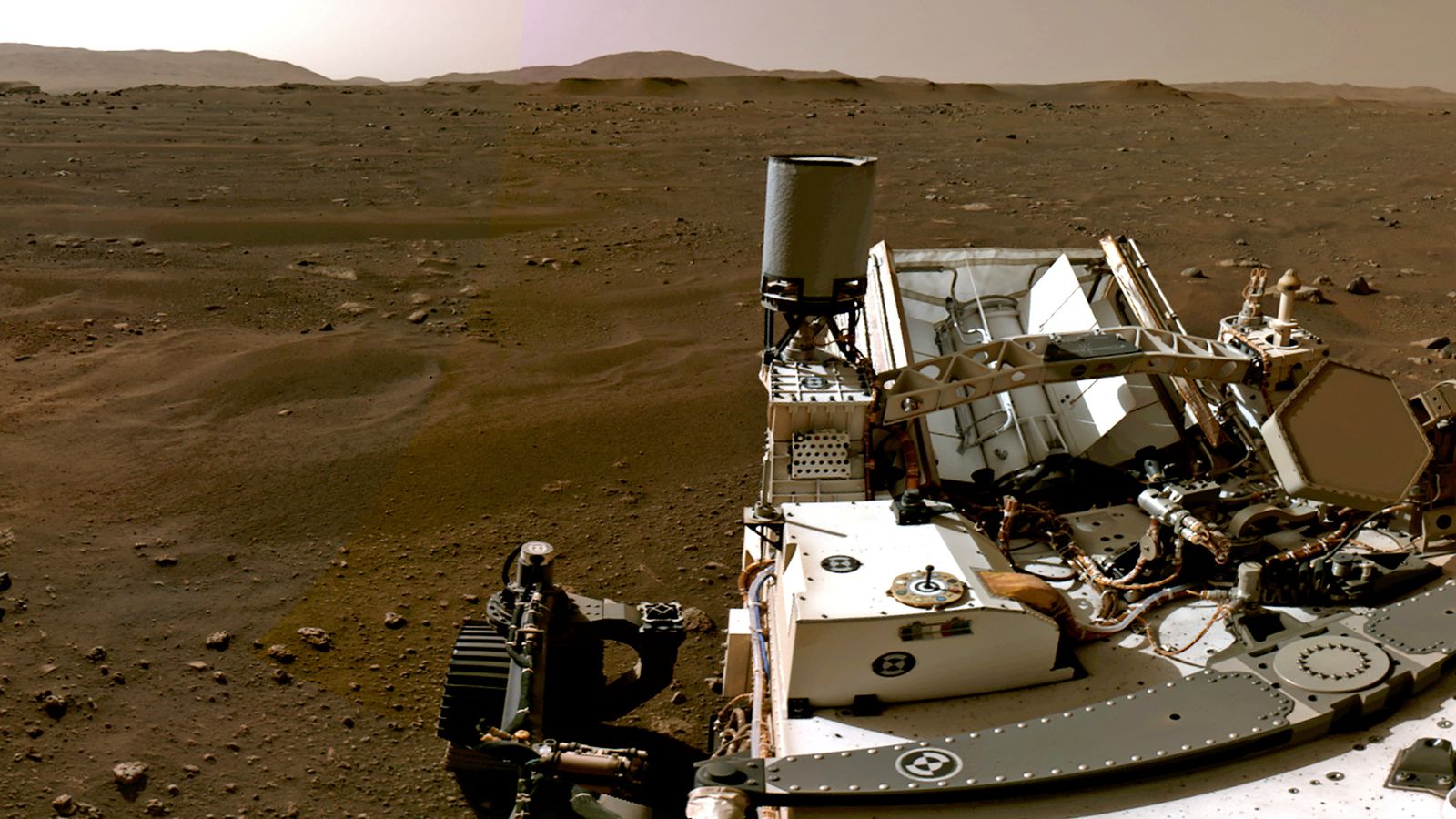
A French-led research team announced the likely detection of lightning on Mars, a finding that opens a "completely new field of investigation" for planetary science.
Using a highly sensitive microphone aboard NASA's Perseverance rover, researchers documented 55 instances of what they call "mini lightning" over two Martian years (nearly four Earth years). These electrical discharges, captured as crackling sounds, occurred mostly during dust storms.
The electrical arcs were tiny—just a few inches in size—and were detected within about six feet of the rover's microphone. Scientists noted that the sparks, similar to static electricity, could be heard clearly despite the surrounding wind and dust.
"It's like finding a missing piece of the puzzle," said lead author Baptiste Chide of the Institute for Research in Astrophysics and Planetology. While the evidence is strong, some experts, like Daniel Mitchard of Cardiff University, express caution since the discharges were heard, not visually confirmed, by an instrument intended for rock analysis. Debate is expected to continue until future missions can verify the findings.