Home Remedies vs. Clinical Treatments for Filiform Warts
Compare home remedies and clinical treatments for filiform warts. Learn the pros, risks, costs, and which option delivers faster, safer, and more reliable results.
 johnbailey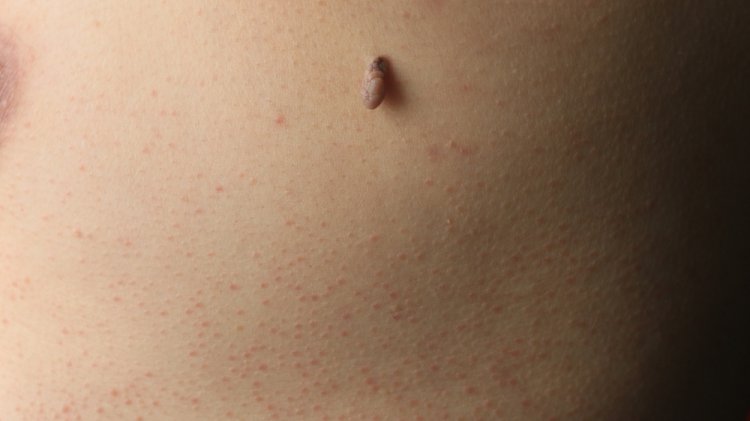
Filiform warts can appear suddenly and catch you off guard, especially when they show up on the face or neck. At first, you may try to ignore them or look for quick fixes online. This is where understanding the real treatment options for filiform warts becomes important before you make a decision that affects your skin.
In this guide, we’ll compare home remedies and clinical treatments in a simple, practical way. You’ll learn what people usually try at home, how doctors handle these warts, and which option may suit your situation better. By the end, you’ll feel more confident about what step to take next instead of relying on guesswork.
Understanding Filiform Warts: What They Are and Why They Appear
Filiform warts are long, thin skin growths caused by certain strains of the human papillomavirus (HPV). They often grow around sensitive areas like the lips, eyelids, nose, or neck, which makes them more visible than other types of warts.
Moreover, these warts can spread through direct skin contact or by touching infected surfaces. You might not notice them in the beginning, but they can grow quickly and multiply if the virus spreads to nearby skin.
However, not everyone exposed to HPV develops filiform warts. A weaker immune response, frequent skin contact with infected areas, or small cuts on the skin can increase the chances.
In addition, these warts are usually painless, but their location can cause discomfort or embarrassment. For example, a small wart near the eyelid may affect daily comfort more than you expect.
Understanding what causes them is important because it helps you avoid panic and focus on realistic care options. Now that you know what they are, let’s look at what many people try first at home and why it’s such a common choice.
Home Remedies People Commonly Try (and What to Expect)
Simple solutions, mixed outcomes, and lots of online advice
When filiform warts appear, many people first try home-based methods. The main reason is convenience. You don’t need a clinic visit, and most ingredients are already available at home or in nearby stores.
Some commonly used home approaches include:
- Apple cider vinegar applied with cotton
- Tea tree oil for its skin-related properties
- Garlic paste placed directly on the wart
- Over-the-counter wart removal creams
- Gentle exfoliation or cleaning routines
Moreover, these methods are often suggested through online forums or shared personal experiences. That makes them feel safe and worth trying, especially for small warts.
However, results can vary a lot. Some people notice slight changes, while others see no improvement at all. In some cases, the skin may become red, irritated, or sensitive, especially when the wart is on the face.
In addition, home remedies usually take time. You may need weeks of consistent use without knowing if it will actually work. They also do not directly target the HPV infection in a controlled way.
So while home remedies can feel like a starting point, they often act more like trial-and-error care. This naturally leads many people to consider clinical treatments when results are slow or unclear.
Clinical Treatments That Target Filiform Warts Directly
Faster removal with medical precision and supervision
Clinical treatments are designed to remove filiform warts in a controlled and effective way. A doctor evaluates the size, location, and number of warts before choosing the right method.
Some commonly used medical options include:
- Cryotherapy (freezing the wart using liquid nitrogen)
- Electrocautery (carefully burning the wart tissue)
- Laser treatment for precise removal in visible areas
- Minor surgical removal for stubborn or larger warts
- Prescription topical treatments that target infected cells
Moreover, these procedures work by directly destroying the infected tissue, which reduces the chance of the wart returning when properly treated. You may feel mild discomfort during some treatments, but they are usually quick.
However, one of the biggest advantages of clinical care is accuracy. Filiform warts often appear on delicate areas like the face, so precision matters. A trained professional ensures that surrounding healthy skin is not damaged during removal.
In addition, healing is monitored, and follow-up care may be suggested to reduce complications. This makes the process more structured compared to home remedies.
So while home treatments depend on patience and repetition, clinical methods focus on targeted results. Next, let’s compare both approaches in a simple way so you can understand which fits better for your situation.
Home Remedies vs Clinical Treatments: A Practical Comparison
What really matters when choosing a treatment path
When you compare both options, the differences become clear in terms of speed, safety, and reliability. Home remedies are usually low-cost and easy to try, but they often lack consistent results.
Moreover, safety is a key concern. Some home treatments can irritate sensitive skin, especially when used repeatedly or incorrectly. Clinical treatments are performed under supervision, which lowers the risk of skin damage.
In terms of results, medical procedures tend to work faster. In many cases, a wart can be removed in one or a few sessions, while home remedies may take weeks or even months without clear success.
However, some people still prefer starting with mild home care before seeking professional help. That approach is not always wrong, but timing is important. Waiting too long can sometimes allow the wart to spread to nearby areas.
In addition, recurrence rates are generally lower after clinical removal, although no method guarantees permanent results.
So the decision often depends on how quickly you want improvement and how much uncertainty you are willing to accept. If the wart is on a visible or sensitive area, clinical care is usually the safer route.
Now let’s wrap everything up with a clear summary and what you can do next.
Conclusion
Filiform warts may look harmless at first, but they often require proper attention to prevent spreading or irritation. While home remedies may seem easy and low-cost, they do not always deliver consistent results. Clinical treatments, on the other hand, offer faster and more targeted removal options with professional supervision.
Understanding the treatment options for filiform warts helps you avoid delays and choose a method that actually suits your skin condition.
If your warts are growing, spreading, or appearing in sensitive areas, it may be time to speak with a specialist. In some cases, you may even enroll in wart clinical trials to explore advanced treatment options and contribute to ongoing research.