Window Tint Las Vegas: How to Choose the Right Film for Your Vehicle
Learn how to choose Window Tint Las Vegas drivers can rely on by comparing VLT, dyed, carbon and ceramic films, optical clarity, regulations, and installation quality.
 Acebuilt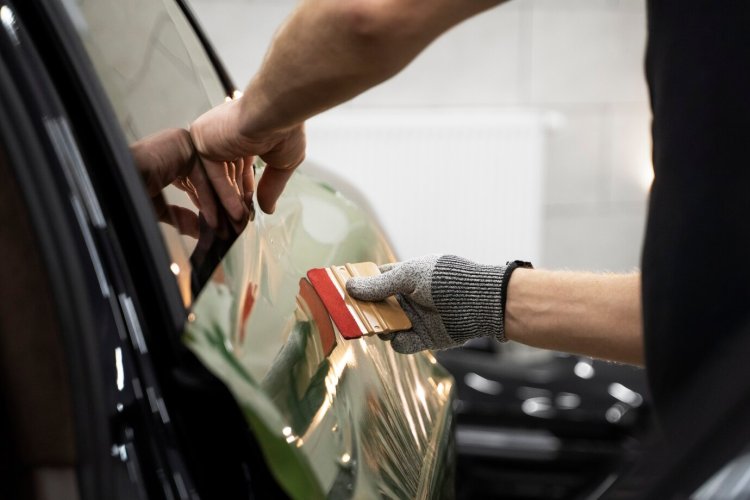
Not all automotive window tint is designed to perform the same way. Two films can look nearly identical from the outside while differing considerably in construction, optical clarity, durability, and solar performance. For Las Vegas drivers, understanding those differences is more useful than simply choosing the darkest shade.
If you're comparing window tint Las Vegas options, start by looking at the film itself rather than the color alone.
What Does VLT Mean?
Visible Light Transmission, commonly called VLT, describes how much visible light passes through a window. A lower VLT percentage generally means a darker-looking window, while a higher percentage allows more light through.
The right VLT depends on the window, your preferences, and Nevada's applicable tint requirements. Going darker isn't automatically better. Visibility, especially at night, should remain an important consideration.
Before installation, verify that your selected shade complies with current Nevada regulations for the specific windows on your vehicle.
Dyed, Carbon, or Ceramic Film?
The construction of window film can make a significant difference.
Dyed film is generally positioned as an economical option for drivers who primarily want a darker appearance. It can be suitable when budget is the main consideration, although its characteristics differ from more advanced films.
Carbon film is another option that can provide a distinctive appearance and useful solar-control characteristics without moving into the highest price range.
Ceramic film uses ceramic particles within the film construction. Depending on the product, ceramic films can offer strong solar performance while maintaining good optical clarity without relying solely on a dark appearance.
Rather than choosing based on the word "ceramic" alone, compare the manufacturer's specifications, warranty, and documented performance.
Match the Film to How You Use Your Vehicle
Your daily routine can help determine which type of film makes sense.
A vehicle used primarily for short city trips may not require the same specification as one driven for several hours each day. If you regularly travel during bright daytime conditions, optical clarity and solar-control performance may carry more weight. For frequent nighttime driving, maintaining comfortable visibility becomes particularly important.
This approach also prevents you from paying for features you don't actually need.
Look Beyond the Film
The installation process deserves just as much attention as the material. A quality custom auto shop Las Vegas should be able to explain the differences between its film options instead of treating every tint package as interchangeable.
Ask about the manufacturer's warranty, film specifications, curing expectations, maintenance requirements, and how the installer handles edges, contours, and vehicle-specific windows.
A technically impressive film can still produce a poor result if it's installed carelessly.
Make an Informed Choice
Choosing automotive tint is ultimately a balance between appearance, performance, visibility, regulations, and budget. Don't judge a film solely by how dark it looks in a showroom.
Compare VLT, construction, optical characteristics, warranty coverage, and documented performance. Then choose a film that fits the way you actually drive.
For Las Vegas vehicle owners, that extra research can lead to a more informed purchase and a cleaner, better-matched installation.










:max_bytes(150000):strip_icc()/chrome-fix-feat-5bc6c18046e0fb0026e9ed17.jpg)