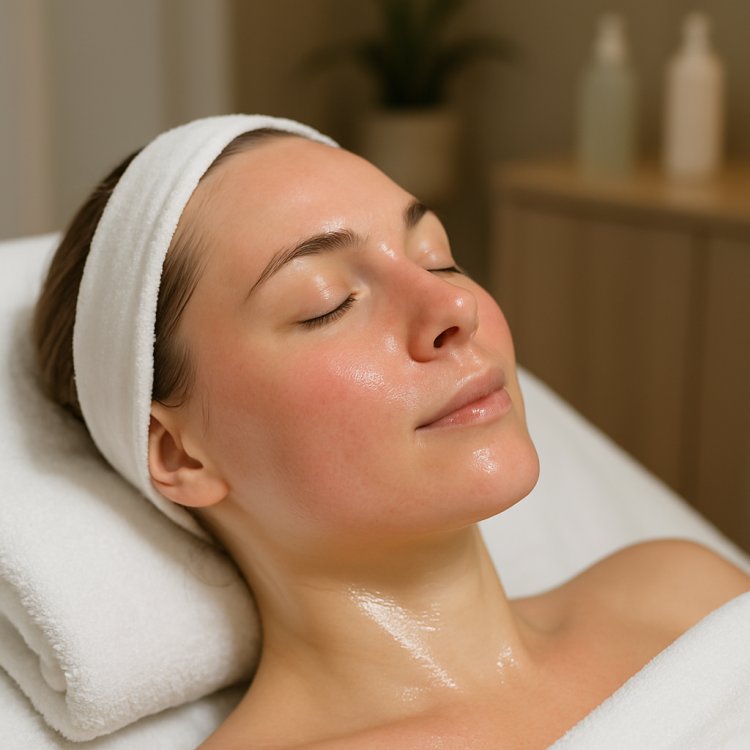
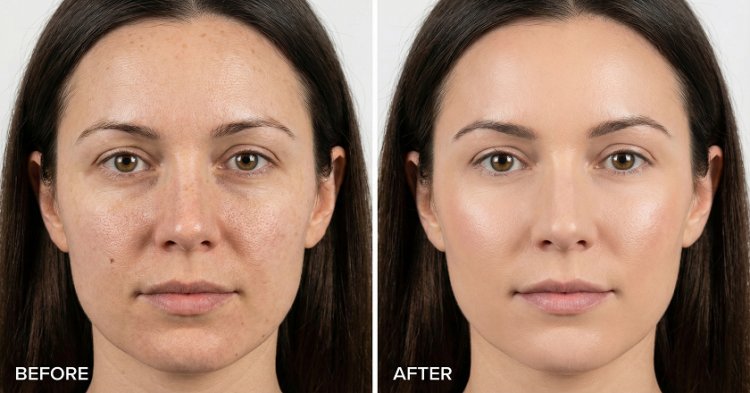
Modern aesthetic medicine increasingly focuses on working with the body rather than against it. One treatment that reflects this shift is PRP with microneedling—a regenerative approach that uses your own biological resources to improve skin quality, tone, and resilience over time. Often discussed in the context of PRP therapy for youthful skin, this treatment is valued for its subtle, natural-looking results rather than dramatic or artificial change.
This article explains how PRP with microneedling works, what it can help address, and what patients should realistically expect from the process.
What Is PRP?
PRP stands for platelet-rich plasma. Platelets are blood components best known for clotting, but they also contain growth factors and signaling proteins involved in tissue repair.
To create PRP, a small amount of blood is drawn and placed in a centrifuge. This process separates platelet-rich plasma from other blood components. The resulting PRP is then used topically or delivered into the skin during microneedling.
Because PRP comes from the patient’s own blood, it is considered autologous. This reduces the risk of allergic reaction and aligns well with patients seeking biologically based skin treatments.
How Microneedling Enhances PRP
Microneedling uses a device with very fine needles to create controlled micro-injuries in the skin. These tiny channels stimulate the body’s natural healing response and increase collagen and elastin production.
When PRP is applied during or immediately after microneedling, it can penetrate deeper into the skin through these micro-channels. The combination is designed to support:
Rather than changing facial structure, PRP with microneedling focuses on improving skin quality from within.
Skin Concerns Commonly Addressed
PRP with microneedling is not a single-issue treatment. It is commonly used to improve multiple signs of skin aging and damage, including:
-
Fine lines and early wrinkles
-
Uneven skin tone and texture
-
Enlarged pores
-
Acne scarring
-
Mild skin laxity
-
Dull or tired-looking skin
Because the treatment relies on gradual collagen remodeling, results develop over weeks rather than days. This slower progression often appeals to patients who prefer subtle improvement that does not look “done.”
What the Treatment Process Looks Like
A typical PRP with microneedling session follows several steps:
-
Consultation – A provider evaluates skin concerns, medical history, and treatment goals.
-
Blood draw and PRP preparation – A small vial of blood is processed to isolate platelet-rich plasma.
-
Microneedling session – The skin is cleansed, and microneedling is performed at controlled depths.
-
PRP application – PRP is applied topically and absorbed through the micro-channels.
Most sessions take about 60–90 minutes. Patients often describe the sensation as tolerable, especially when topical numbing is used.
Recovery and Results
After treatment, the skin typically appears red and may feel warm or tight, similar to a mild sunburn. These effects usually subside within a few days. Makeup is often avoided for 24 hours, and sun protection becomes especially important during healing.
Initial improvements in skin texture may be noticed within a few weeks. Collagen remodeling continues for several months, which is why results tend to improve gradually. Many providers recommend a series of treatments spaced several weeks apart for optimal outcomes.
How PRP Differs From Injectable Treatments
Unlike dermal fillers or neuromodulators, PRP with microneedling does not add volume or relax muscles. Its purpose is regenerative rather than corrective.
This distinction matters. PRP is best suited for patients who want to improve skin quality, not change facial shape or eliminate deep wrinkles overnight. It is often used alongside other treatments as part of a long-term skin health plan.
Who Is a Good Candidate?
PRP with microneedling is generally appropriate for adults experiencing early to moderate signs of skin aging, uneven texture, or acne scarring. Ideal candidates are in good overall health and have realistic expectations.
A professional consultation is essential. Certain medical conditions or skin infections may require postponing or avoiding treatment.
Choosing a Professional Setting
Because PRP involves blood handling and skin penetration, it should only be performed in a medical setting that follows strict safety and sterilization protocols. Clinics such as
Enfield Royal Medspa emphasize proper evaluation, technique, and aftercare education to ensure treatments remain focused on skin health rather than marketing claims.
A Natural Approach to Skin Renewal
PRP with microneedling does not promise instant transformation. Instead, it supports the skin’s own repair mechanisms over time. For patients interested in PRP therapy for youthful skin, this approach offers a way to improve tone, texture, and vitality while keeping results natural and understated.
As with any aesthetic treatment, informed decision-making and professional guidance remain the foundation of safe, effective care.


 EnfieldRoyalMedspa