Botox Treatment Explained: A Practical Guide for Patients Considering Care in Viera
Botox smooths dynamic wrinkles by relaxing targeted facial muscles. Treatment softens crow’s feet, forehead lines, and frown lines, delivering refreshed expression with minimal downtime and natural-looking results from quick, in-office sessions safely.
 EnfieldRoyalMedspa
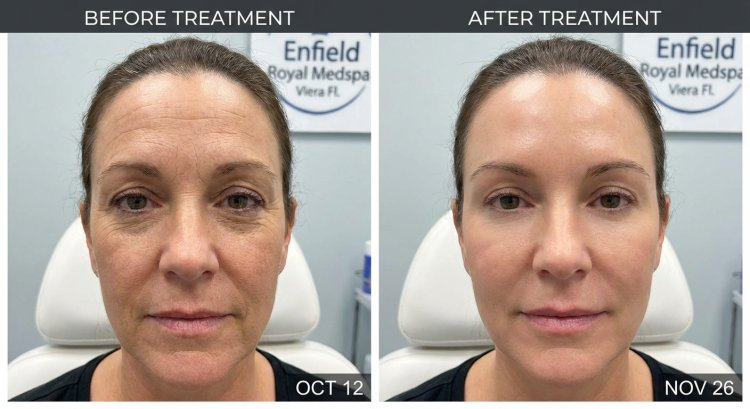
Botox is one of the most studied and commonly performed non-surgical aesthetic treatments worldwide. While it is often associated with smoothing facial lines, its real value lies in how precisely it addresses the muscle activity that causes wrinkles in the first place. For patients exploring Botox, understanding how the treatment works—and what affects results—helps set realistic expectations and leads to better long-term outcomes.
This article offers an informational overview of Botox treatment, focusing on safety, effectiveness, and factors that influence results rather than promotion.
What Botox Is and How It Reduces Wrinkles
Botox is a purified form of botulinum toxin type A. In aesthetic medicine, it is used in very small, controlled doses to temporarily relax targeted facial muscles. Many visible facial wrinkles form because of repeated muscle movement over time—such as frowning, squinting, or raising the eyebrows. These are known as dynamic wrinkles.
When Botox is injected into specific muscles, it limits excessive contraction. As muscle movement softens, the skin above it appears smoother. Botox does not add volume or change facial structure; instead, it reduces the mechanical forces that contribute to wrinkle formation.
This mechanism explains why Botox is commonly chosen by patients seeking Affordable Botox in Viera Fl as a non-surgical option for facial rejuvenation.
Areas Commonly Treated With Botox
Botox is FDA-approved for several cosmetic uses and is widely used to treat:
-
Forehead lines caused by eyebrow elevation
-
Glabellar lines between the eyebrows (often called frown lines)
-
Crow’s feet around the eyes
-
Bunny lines on the nose
-
Chin dimpling and downward mouth corners (in select cases)
Each treatment plan should be individualized. Facial anatomy, muscle strength, and expression patterns vary from person to person, which is why standardized dosing is rarely appropriate.
What the Treatment Process Is Like
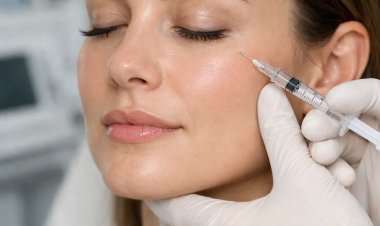
A typical Botox session is brief and performed in an outpatient clinical setting. The injector uses a very fine needle to place small amounts of product into targeted muscles. Most patients describe the sensation as mild and short-lived.
After treatment:
-
Mild redness or swelling may appear temporarily
-
Normal daily activities can usually be resumed immediately
-
Results begin to develop within a few days
-
Full effects are typically visible within 10–14 days
There is no significant recovery period, making Botox a practical option for individuals who prefer minimal interruption to their routine.
How Long Botox Results Last
Botox results are temporary. On average, the effects last three to four months, though this can vary depending on several factors, including:
-
Individual metabolism
-
Muscle strength and activity
-
Injection technique and dosage
-
Consistency of treatments over time
With repeated treatments, some patients notice that results last slightly longer as muscles adapt and weaken gradually.
Preventative and Corrective Uses of Botox
Botox is not limited to treating existing wrinkles. Many patients use it preventatively to reduce repetitive muscle movement before deep lines form. Preventative Botox aims to slow wrinkle development rather than reverse advanced skin aging.
Corrective Botox focuses on softening visible dynamic lines. While Botox can significantly improve their appearance, deeper static wrinkles—those visible even at rest—may require additional treatments such as dermal fillers or skin resurfacing for optimal results.
The Role of Injector Expertise
The quality of Botox results depends heavily on the injector’s knowledge of facial anatomy, muscle function, and dosing strategy. Proper placement ensures that wrinkles soften while natural facial expression is preserved.
Poor technique or excessive dosing can result in unnatural stiffness or imbalance. For this reason, patients often prioritize clinical experience and anatomical understanding when researching Enfield Medspa Botox services, rather than focusing solely on treatment cost.
Safety Considerations and Candidacy
Botox is considered safe for most healthy adults when administered by a licensed medical professional. A proper consultation should include a review of medical history, current medications, and aesthetic goals.
Botox may not be appropriate for individuals who are pregnant, breastfeeding, or have certain neuromuscular conditions. Transparent discussion during consultation helps ensure patient safety and satisfaction.
A Balanced Perspective on Botox
Botox is most effective when used thoughtfully. The goal is not to erase every line, but to soften unwanted wrinkles while maintaining natural movement and expression. When patients understand how Botox works and what it can realistically achieve, they are more likely to be satisfied with their results.
Informed decision-making, individualized treatment planning, and skilled injection technique remain the foundation of successful Botox outcomes.