What Are Corrugated Boxes and How Are They Made?
Corrugated boxes are durable packaging solutions made from layered paper materials, including a fluted inner layer sandwiched between linerboards. Their unique construction provides strength, cushioning, and protection for products during storage and transportation.
 boxopackaging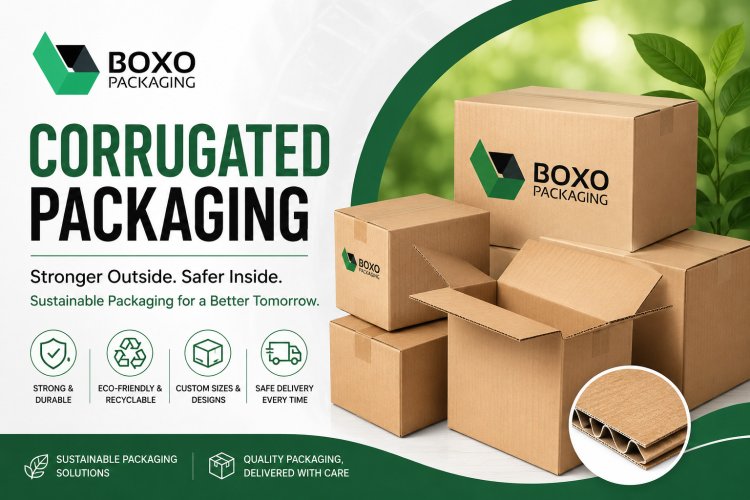
Packaging plays a vital role in protecting products during storage, handling, and transportation. Among the many packaging solutions available today, corrugated boxes remain one of the most widely used options across industries. Their durability, lightweight structure, and cost-effectiveness make them a preferred choice for businesses that need reliable shipping and storage materials.
Understanding Corrugated Boxes
Corrugated boxes are packaging containers made from corrugated fiberboard, a material consisting of multiple layers of paper. Unlike standard paperboard cartons, these boxes feature a fluted layer positioned between two flat linerboards. This unique structure provides additional strength and cushioning, helping products remain safe throughout the supply chain.
These packaging solutions are commonly used in e-commerce, retail, food distribution, electronics, pharmaceuticals, and industrial manufacturing. Their ability to withstand pressure and absorb shocks makes them suitable for transporting both lightweight and heavy products.
The popularity of corrugated wholesale boxes continues to grow because they offer an excellent balance between protection, affordability, and sustainability.
Main Components of Corrugated Fiberboard
To understand how these packaging products are manufactured, it is important to know the materials involved.
Linerboard
The linerboard forms the outer and inner surfaces of the board. It provides rigidity and creates a smooth surface for printing branding, product details, and shipping information.
Fluting Medium
The fluted medium is the wavy paper layer positioned between the liners. This component acts as a cushion that absorbs impact and increases stacking strength.
Adhesive
A starch-based adhesive is commonly used to bond the layers together. This environmentally friendly adhesive helps create a strong and durable structure.
Step-by-Step Manufacturing Process
The production process involves several stages designed to create strong and reliable packaging materials.
Paper Production
The process begins with the manufacturing of kraft paper. This paper is typically produced from wood pulp or recycled paper materials. The paper is processed, dried, and prepared for conversion into linerboards and fluting mediums.
Creating the Flutes
The fluting medium is fed through large corrugating rollers. These heated rollers shape the paper into a continuous wave-like pattern. The resulting flutes are responsible for the strength and cushioning properties of the final product.
Applying Adhesive
After the flutes are formed, adhesive is applied to their tips. The first linerboard is then attached to one side of the fluted medium, creating a single-faced board.
Adding the Second Liner
A second linerboard is bonded to the opposite side of the fluted layer. This creates a complete corrugated board structure that is ready for further processing.
Drying and Bonding
The newly formed board passes through heated sections that help dry the adhesive and strengthen the bonds between layers. Proper drying ensures durability and long-term performance.
Cutting and Shaping
Large sheets are cut into specific dimensions according to packaging requirements. Specialized equipment creates slots, folds, and creases that allow the board to be assembled into finished boxes.
Printing and Customization
Many businesses require branding and product information on their packaging. Printing technologies are used to add logos, graphics, instructions, and promotional designs before final assembly.
Folding and Assembly
The cut sheets are folded and glued or stitched into their final shapes. Quality inspections are performed to ensure consistency and structural integrity.
Types of Corrugated Board
Manufacturers produce several board configurations to meet different packaging needs.
Single-Wall Board
This design contains one fluted layer between two linerboards. It is suitable for general shipping applications.
Double-Wall Board
This option contains two fluted layers and three linerboards, providing greater strength for heavier products.
Triple-Wall Board
With three fluted layers and four linerboards, this construction offers maximum durability for industrial and export packaging.
Benefits of Using Corrugated Packaging
Businesses choose corrugated packaging boxes because they provide several advantages. They offer excellent protection against impacts, are lightweight for reduced shipping costs, and can be customized in various sizes and designs. Additionally, they are recyclable, making them a sustainable packaging choice for environmentally conscious companies.
At Boxo Packaging, businesses can find packaging solutions designed to meet modern shipping and storage requirements. By combining quality materials with efficient manufacturing processes, these products help ensure goods arrive safely at their destinations.