How Factory Line Marking Reduces Incidents on the Work Floor?
Factory floors involve constant movement of workers, forklifts, machinery, and materials. Without clear visual guidance, the risk of accidents can increase
 kevenpeter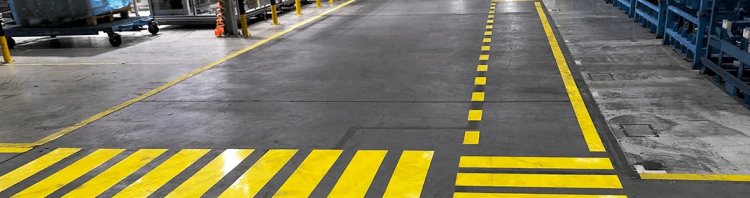
Factory floors involve constant movement of workers, forklifts, machinery, and materials. Without clear visual guidance, the risk of accidents can increase. Factory line marking helps create a safer and more organised workplace by defining routes, work areas, and restricted zones. Clear markings support daily operations and help employees identify hazards and navigate the facility safely.
Why Do Clear Floor Markings Matter?
A busy factory depends on clear communication to support safe movement and efficient operations. Employees often make quick decisions while working around machinery and vehicles.
- Improved Visibility: Employees can quickly identify designated pathways and work zones.
- Better Navigation: Workers can move through the facility without confusion.
- Reduced Errors: Clear guidance helps prevent accidental entry into unsafe areas.
- Consistent Communication: Visual markings provide the same message to all employees.
These benefits help create a safer environment where workers can perform their tasks with greater confidence.
Separating Pedestrians and Vehicles
One of the most common causes of workplace incidents involves interactions between pedestrians and moving equipment. Effective separation measures include:
- Dedicated Walkways: Marked pedestrian paths provide safe routes throughout the facility.
- Vehicle Traffic Lanes: Clearly defined forklift routes reduce the risk of unexpected movements.
- Crossing Points: Designated crossing areas improve visibility for both pedestrians and operators.
- Buffer Zones: Safety gaps help maintain distance between people and vehicles.
When pedestrians and vehicles follow separate routes, the likelihood of collisions decreases significantly.
Highlighting Hazardous Areas
Factories often contain equipment and operational areas that require additional caution. Floor markings help workers recognise these locations before they enter them. Common hazard markings include:
- Restricted Areas: Prevent unauthorised access to dangerous zones.
- Machinery Safety Zones: Encourage safe distances around operating equipment.
- Loading Areas: Identify locations with frequent vehicle activity.
- Emergency Equipment Zones: Keep access points clear at all times.
These visual indicators improve awareness and help employees make safer decisions throughout the workday.
Improving Workplace Organisation
Workplace organisation plays an important role in accident prevention. When equipment and materials remain in designated locations, workers can move more safely around the facility. Well-planned floor markings help establish:
- Storage Zones: Prevent materials from blocking walkways.
- Staging Areas: Create designated spaces for temporary goods.
- Workstations: Define operational boundaries for different tasks.
- Access Routes: Maintain clear paths for employees and equipment.
A more organised environment often reduces congestion and improves overall workplace safety.
Supporting Safety Beyond the Factory Floor
The same principles used inside factories also apply to external areas. Many businesses use car park line marking to improve vehicle movement and reduce confusion around site entrances and parking areas. The benefits of car park line marking include:
- Defined Parking Bays: Reduce parking-related incidents.
- Traffic Direction Guidance: Improve vehicle flow.
- Pedestrian Crossing Areas: Increase visibility for drivers and pedestrians.
- Safer Site Access: Support orderly movement around the property.
Just as Car Park Line Marking improves safety outdoors, factory markings help manage risks within industrial environments. Businesses that invest in both systems often create a more consistent safety approach across the entire site.
Conclusion
Reducing workplace incidents requires clear and practical safety measures. Factory line marking helps workers identify hazards, follow safe routes, and navigate busy environments with greater confidence. When businesses maintain visible and accurate markings, they support safer operations, improve workplace organisation, and create conditions that help reduce preventable incidents across the work floor.