How Can Search Intent Help Your Website Attract the Right Audience?
Learn how search intent helps attract relevant website visitors, improve content relevance, strengthen SEO, and turn organic traffic into business opportunities.
 artxprodigital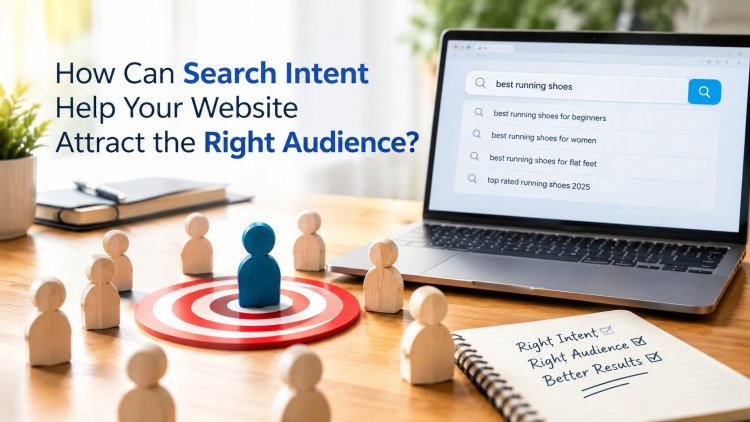
Getting more visitors to your website is useful, but attracting people who genuinely need your products or services is even more valuable. A page may receive clicks from search engines without generating enquiries, sales, or meaningful engagement. One reason for this gap is a mismatch between what visitors expect and what the page provides.
Search intent helps businesses understand the purpose behind a search query. When website content matches that purpose, visitors can find relevant answers, compare suitable options, and make informed decisions. This approach also helps businesses build a stronger content strategy around the needs of their target audience.
Why Does Search Intent Matter for Website Growth?
Search intent explains what a person wants to achieve when entering a query into a search engine. Someone searching for a definition may need a simple explanation, while a person comparing service providers may be closer to making a purchase.
Understanding this difference helps businesses create pages that serve a clear purpose instead of targeting keywords without considering their meaning.
Search intent can support website growth in several ways:
- It connects visitors with content that answers their actual questions.
- It helps businesses attract people who are more likely to need their offerings.
- It improves the relevance of landing pages for specific search queries.
- It guides content planning based on customer needs and decision stages.
- It helps reduce wasted effort on keywords that do not match business goals.
The objective is not simply to increase traffic. It is to attract relevant visitors and give them a useful reason to stay, engage, or take action.
What Are the Main Types of Search Intent?
Search queries generally fall into four common categories. Each category reflects a different user goal, so the content should match the purpose behind the search.
Informational Intent
People with informational intent want answers, explanations, or guidance. They may be researching a topic or trying to solve a problem before considering a purchase.
Examples include:
- How can a website improve its loading speed?
- What should businesses include in an SEO strategy?
- Why does a website need mobile-friendly design?
Blog posts, practical guides, tutorials, and explanatory articles can meet these needs. Businesses should provide clear answers, use relevant examples, and avoid turning every informational page into a sales pitch.
Navigational Intent
Navigational searches happen when people want to reach a particular website, brand, or online destination. They may search for a company name, a login page, or a specific service section.
A business can support these searches through clear website navigation, recognizable page titles, consistent branding, and accessible contact information.
Although navigational searches often depend on brand awareness, a well-organized website makes it easier for visitors to reach the page they want.
Commercial Investigation Intent
People with commercial investigation intent are comparing options before making a decision. They may evaluate prices, features, service quality, customer reviews, or differences between providers.
Useful content for these searches includes:
- Comparisons between different services or solutions.
- Detailed explanations of features, benefits, and limitations.
- Case studies that demonstrate real project outcomes.
- Pricing guides that explain what affects the total cost.
- Frequently asked questions that address buying concerns.
This type of content helps potential customers evaluate their options without requiring them to contact a business before they have enough information.
Transactional Intent
Transactional searches indicate that someone wants to take a specific action. This could involve purchasing a product, booking an appointment, requesting a quote, or hiring a service provider.
Relevant landing pages should make the next step clear. Depending on the business, this may mean adding a purchase button, enquiry form, booking option, or direct contact details.
A visitor searching for a service should not have to navigate through several unrelated pages to find out how to get started.
How Can You Identify the Intent Behind a Keyword?
A keyword does not always reveal the full purpose of a search. Two queries about the same subject may require different content because users have different expectations.
Businesses can use several methods to understand what searchers want.
Examine the Search Results
Start by searching for the target keyword and reviewing the pages that appear prominently. Notice whether the results mainly contain blog posts, service pages, product listings, comparison articles, or local business profiles.
The format of the results can provide useful clues about the content users expect. However, search results may vary by location, device, and time, so treat them as evidence rather than an absolute rule.
Pay Attention to the Words in Search Queries
Certain words can indicate a user's likely goal. For example, phrases such as “how to” and “why” often suggest informational intent, while “compare,” “reviews,” and “best” may indicate commercial investigation.
Words such as “buy,” “book,” and “hire” can suggest transactional intent. These patterns are useful starting points, but the complete query and its context still matter.
Review Your Website Analytics
Search Console and website analytics tools can help identify the queries bringing visitors to your pages and what those visitors do afterward.
Look for pages that receive impressions but few clicks, attract traffic without generating enquiries, or rank for queries that do not closely match the page content.
These patterns may indicate an opportunity to improve page titles, revise content, or create a more suitable landing page.
How Should Content Match Different Search Intents?
Once you understand the user's goal, the next step is to create content that directly supports it. Every important page should have a clear purpose and deliver the information visitors expect.
Create Helpful Content for Informational Searches
Informational content should answer the main question early and provide enough detail to help readers understand the topic. Organize the article with descriptive headings, short paragraphs, practical examples, and relevant supporting information.
For example, a blog about website speed can explain common causes of slow loading, describe ways to diagnose performance issues, and outline practical improvements.
A service promotion can appear where relevant, but it should not interrupt the information the reader came to find.
Develop Comparison Content for Researching Customers
Visitors comparing services need enough detail to assess their options. Explain differences, discuss suitable use cases, and clarify the factors that affect cost or performance.
Avoid making unsupported claims that one solution is always better than another. Balanced explanations can help readers make decisions based on their requirements.
This content can also connect to relevant service pages so readers can move from research to the next stage when they are ready.
Optimize Service Pages for Action
Service pages should explain what a business offers, who the service is for, what problems it addresses, and how potential customers can get started.
Use clear calls to action, accessible contact details, relevant proof of experience, and answers to common concerns. Keep the page focused on the service rather than filling it with unrelated information.
The goal is to remove uncertainty and make the next step straightforward.
Can Search Intent Improve Keyword Research?
Yes. Search intent adds context to keyword research by helping businesses evaluate whether a query is relevant to their audience and business objectives.
A keyword with high search volume may attract people who are only looking for general information. Another keyword with fewer searches may bring visitors who are actively comparing providers or looking for a specific service.
For this reason, keyword selection should consider more than search volume.
Group Keywords by User Goals
Organize related queries according to the needs they represent. Informational keywords may support blog content, comparison keywords may suit evaluation guides, and service-focused queries may belong on commercial landing pages.
This structure helps businesses create useful pages without publishing several articles that target the same purpose.
Match Each Keyword Group to the Right Page
Assign a primary purpose to each important page. When multiple pages target nearly identical queries and provide similar information, they may compete for visibility or confuse users.
Review existing content before creating new pages. Sometimes improving an existing resource is more effective than publishing another article on the same subject.
Evaluate Business Relevance
Consider whether the search query connects with the products, services, or expertise your business can genuinely provide.
A relevant keyword strategy prioritizes the audience a business can serve instead of chasing every available search opportunity.
How Does Search Intent Support Local SEO?
Local searches often reflect a need for a nearby provider, a service in a specific area, or a business that serves a particular location.
For example, someone searching for SEO support in Karachi may want information about available services, pricing, experience, or local providers. A useful landing page should address these concerns rather than simply repeat the location name throughout the content.
Businesses can improve local relevance by:
- Creating accurate location and service pages where they provide genuine coverage.
- Keeping business contact details and location information consistent.
- Maintaining an updated Google Business Profile with relevant information.
- Answering location-specific customer questions clearly.
- Providing useful reviews, project examples, and service details.
Local pages should offer real value to visitors. Using different city names on similar pages without providing useful local details can create a frustrating experience for visitors.
For businesses competing in local search, SEO services in Karachi can help assess search behaviour, improve relevant landing pages, and connect keyword targeting with the needs of potential customers.
What Mistakes Can Weaken Search Intent Optimization?
Even a well-researched keyword strategy can underperform when the content fails to meet user expectations.
Targeting a Keyword Without Understanding Its Purpose
A business may create a sales page for a query where searchers mainly want an explanation. Even if the keyword is relevant to the industry, the page may not satisfy the audience.
Review the search results and determine what type of answer users are likely to need before choosing the page format.
Adding Keywords Without Providing Useful Information
Repeating the same phrase does not make a page more helpful. Content should explain the topic clearly, answer related questions, and provide information that supports the visitor's goal.
Use relevant terminology naturally rather than forcing exact-match keywords into every section.
Using the Same Content Across Multiple Pages
Pages with nearly identical content may fail to address distinct user needs. Before creating another landing page or blog, check whether an existing page already covers the same topic and intent.
If the purpose is genuinely different, make that distinction clear through the content, structure, and examples.
Ignoring the User Experience After the Click
Search intent does not end when someone visits a page. Slow loading, confusing navigation, intrusive pop-ups, and unclear calls to action can prevent visitors from finding what they need.
A relevant page should also be accessible, easy to read, and simple to use on mobile devices.
How Can You Measure the Results of Search Intent Optimization?
Search intent optimization should be assessed through a combination of search visibility, engagement, and business outcomes. Rankings alone cannot show whether a page attracts the right audience.
Useful metrics include:
- Search impressions and clicks: Show how pages appear and perform for relevant queries.
- Organic engagement: Helps indicate whether visitors interact with the content.
- Conversions: Track meaningful actions such as enquiries, purchases, and bookings.
- Landing page performance: Reveals which pages attract relevant traffic and support business goals.
- Query relevance: Helps determine whether the search terms bringing visitors match the page's purpose.
Compare performance over time and consider differences in seasonality, search demand, and conversion cycles. A page may need changes to its content, title, calls to action, or technical performance rather than a complete rewrite.
Use the data to identify specific improvements, then monitor whether those changes produce better results.
How Can a Digital Marketing Partner Help Align SEO With Search Intent?
Search intent requires more than choosing keywords. It involves understanding the audience, reviewing search results, planning content, improving technical performance, and measuring how visitors respond.
A suitable digital marketing partner should be able to connect these activities with the business's broader goals. This includes identifying content gaps, mapping keywords to relevant pages, improving user experience, and measuring meaningful conversions.
When comparing providers, businesses looking for the best digital marketing agency in Karachi should assess whether the agency understands their audience, business model, and customer journey. A suitable partner should also explain its strategy clearly and use performance data to guide improvements.
At Artxpro, search intent can be considered alongside technical SEO, content strategy, local visibility, and conversion-focused website improvements. Bringing these areas together helps businesses build a more organized search strategy around what their potential customers actually need.
Final Thoughts
Search intent helps businesses move beyond traffic targets and focus on attracting visitors whose needs match their offerings. By understanding why people search, companies can create more relevant blog posts, service pages, comparison guides, and local landing pages.
The process begins with keyword research and search result analysis, but it should continue through content creation, website optimization, and performance measurement. Reviewing these elements regularly helps businesses identify gaps and respond to changing customer expectations.
When every important page serves a clear purpose, a website has a better chance of attracting relevant visitors and turning their interest into meaningful business opportunities.
Frequently Asked Questions
What is search intent in SEO?
Search intent refers to the reason someone enters a query into a search engine. It helps explain whether someone wants information, a particular website, a comparison between options, or a product or service.
Why is search intent important for website traffic?
It helps businesses attract visitors whose needs match the content. Relevant traffic can create better opportunities for engagement, enquiries, and sales than traffic that does not match the page's purpose.
How do I determine the intent behind a keyword?
Review the search results, examine the wording of the query, and identify the types of pages that appear. Search Console data can also help reveal whether existing pages attract relevant queries.
Can search intent affect conversion rates?
Yes. When a page meets visitor expectations and offers a clear next step, it can make enquiries, purchases, or bookings easier. However, conversion rates also depend on pricing, trust, usability, and the offer itself.
Does each website page need to focus on a unique search intent?
Each important page should have a clear purpose, but related pages may serve connected needs. The key is to avoid unnecessary duplication and ensure that every page provides distinct value to its intended audience.