Does Upper Blepharoplasty Actually Fix Drooping Eyelids and Hooded Eyes? Here Is the Real Answer
Does blepharoplasty fix drooping eyelids? Real facts, results, recovery, and costs in the Netherlands explained simply.
 itsemmastone0045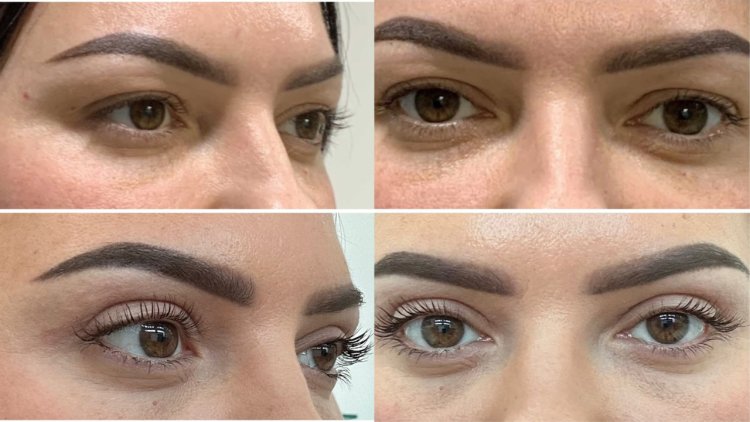
A Dutch clinic shared a real case of a 49-year-old office worker who spent most of her day behind a screen. By late afternoon, her eyelids felt so heavy that she had to lift her eyebrows just to keep her vision clear. She thought it was stress or fatigue. It turned out to be excess eyelid skin.
After surgery, her feedback was simple. She said she felt “lighter” and no longer needed to force her eyes open. This is not rare.
In fact, around 20,000 eyelid procedures are performed every year in the Netherlands. That tells us something important. This is not just about appearance. It is about comfort, vision, and daily life.
So let’s answer the question clearly.
Does blepharoplasty actually fix drooping eyelids and hooded eyes?
Why Drooping Eyelids Happen
Most people assume it is just aging. That is only part of the story.
The skin around your eyes is one of the thinnest on your body. Over time, it loses strength. Collagen levels drop. Fat that used to stay in place starts moving forward. Muscles around the eyes also weaken.
This leads to:
- Loose skin folding over the eyelid
- A heavy feeling, especially in the evening
- A constant tired appearance
- In some cases, reduced side vision
Research published on PubMed Central shows that eyelid surgery is among the most commonly performed facial procedures worldwide. That is because this issue is very common.
In simple terms, the structure changes. So the solution needs to fix the structure.
What Is Upper Blepharoplasty?
Upper blepharoplasty is a minor surgical procedure that removes excess skin from the upper eyelid.
Sometimes it also involves removing small amounts of fat or tightening tissue.
The goal is not to change how you look completely. It is to restore what has changed over time.
If you want to understand how this works in a real clinical setting, this detailed guide on blepharoplasty explains the process, expectations, and recovery in a very practical way.
Does Blepharoplasty Actually Fix Drooping Eyelids?
Yes. And this is where things become very clear.
Drooping eyelids are usually caused by extra skin. That skin physically hangs over the eyelid. No cream or non-surgical treatment can remove it.
Blepharoplasty removes that excess skin. So it directly solves the root problem.
What patients notice after surgery:
- Eyelids look lifted and lighter
- Eyes appear more open
- The tired look reduces significantly
- Vision improves in more severe cases
Studies show that around 85 to 90 percent of patients report clear improvement after surgery. That is a very high success rate.
This is why doctors often describe it as a functional procedure, not just cosmetic.
What About Hooded Eyes?
This is where expectations need to be realistic.
Hooded eyes can have different causes.
When hooding is caused by excess skin
Blepharoplasty works very well. Removing the extra skin reduces the hooded look.
When hooding is genetic
The surgery improves the appearance but does not completely change your natural eye shape.
Think of it like tailoring clothes. You can improve the fit, but you are not changing the entire design.
So the honest answer is:
- Yes, it improves hooded eyes
- No, it does not completely redesign your face
And that is actually a good thing. The result looks natural.
Real Patient Experiences in the Netherlands
If you look at Dutch platforms like ZorgkaartNederland, you will notice a pattern.
Patients are not just talking about looks. They talk about daily comfort.
Common feedback includes:
- “I don’t look tired anymore”
- “I feel less pressure on my eyes”
- “I stopped raising my eyebrows all the time”
One clinic even reported an average rating close to 9.7 out of 10 from patients.
That is not just satisfaction. That is strong approval.
From a real-world point of view, this matters more than marketing claims.
Why More People Are Choosing Blepharoplasty
Globally, blepharoplasty has become the most performed cosmetic procedure, with over 2.1 million surgeries every year.
Search trends have also doubled in the last decade.
Why is this happening?
Because people are moving away from temporary fixes.
Creams and injectables can help the skin, but they cannot remove excess tissue. When the problem becomes structural, the solution needs to be structural.
That is exactly what this procedure does.
How the Procedure Works
The process is simple and usually done under local anesthesia.
Here is how it works:
- The surgeon marks your natural eyelid crease
- A small incision is made in that fold
- Excess skin and fat are removed
- The skin is stitched carefully
The procedure usually takes between 30 and 60 minutes.
Because the incision is placed in the natural crease, the scar becomes very hard to notice over time.
Recovery: What It Really Feels Like
Recovery is often easier than people expect, but you still need to plan for it.
First few days:
- Swelling and bruising are normal
- The eyelids may feel tight
After one week:
- Stitches are removed
- You can return to light daily activities
After two to three weeks:
- Most swelling is gone
- You start to look normal again
After a few months:
- Final results become visible
Most people in the Netherlands return to work within 7 to 10 days. That is one reason why this procedure is popular among working professionals.
How Long Do Results Last?
Blepharoplasty gives long-lasting results.
Most patients enjoy results for:
- 5 to 10 years
- Sometimes longer depending on lifestyle
Factors that affect longevity:
- Sun exposure
- Smoking
- Skin type
Aging continues, but the improvement remains noticeable for many years.
Risks and Safety
Let’s be honest. No surgery is risk-free.
But blepharoplasty is considered low-risk when performed by an experienced doctor.
Common side effects:
- Swelling
- Bruising
- Temporary dry eyes
These usually go away within a few weeks.
Serious complications are rare and occur in a small percentage of cases.
The most important decision is not the surgery itself. It is choosing the right clinic.
Cost in the Netherlands
In the Netherlands, upper eyelid surgery typically costs:
- €800 to €1500
- Higher prices for more experienced clinics
In some cases, insurance may cover part of the cost if vision is affected.
Always check your situation with your provider.
Who Usually Chooses This Procedure?
Based on data and clinical trends:
- Women often choose it between their 30s and 50s
- Men usually consider it later, often in their 50s
It is also common among people who:
- Work long hours on screens
- Feel constant heaviness in their eyes
- Want a natural, refreshed appearance
Is It Worth It?
From both a medical and practical point of view, yes.
Blepharoplasty is one of the few procedures that:
- Fixes the actual cause
- Provides long-term results
- Improves both function and appearance
It is not about perfection.
It is about removing something that is already affecting your daily life.
Final Answer
So, does blepharoplasty actually fix drooping eyelids and hooded eyes?
Yes. When the cause is excess skin, it works very effectively.
It improves hooded eyes and restores a more open, relaxed look while keeping your natural features.
After spending hours of research reviewing Dutch data, global statistics, and real patient experiences, one thing becomes clear.
This procedure works because it is simple and direct.
It removes what should not be there. And sometimes, removing something small can completely change how you feel every single day.