Chemical peel in Dubai: Professional Skin Resurfacing Tips
Chemical Peel in Dubai exfoliates and rejuvenates your skin, reducing fine lines, acne scars, and pigmentation for a smoother, radiant complexion.
 tajmeelsclinic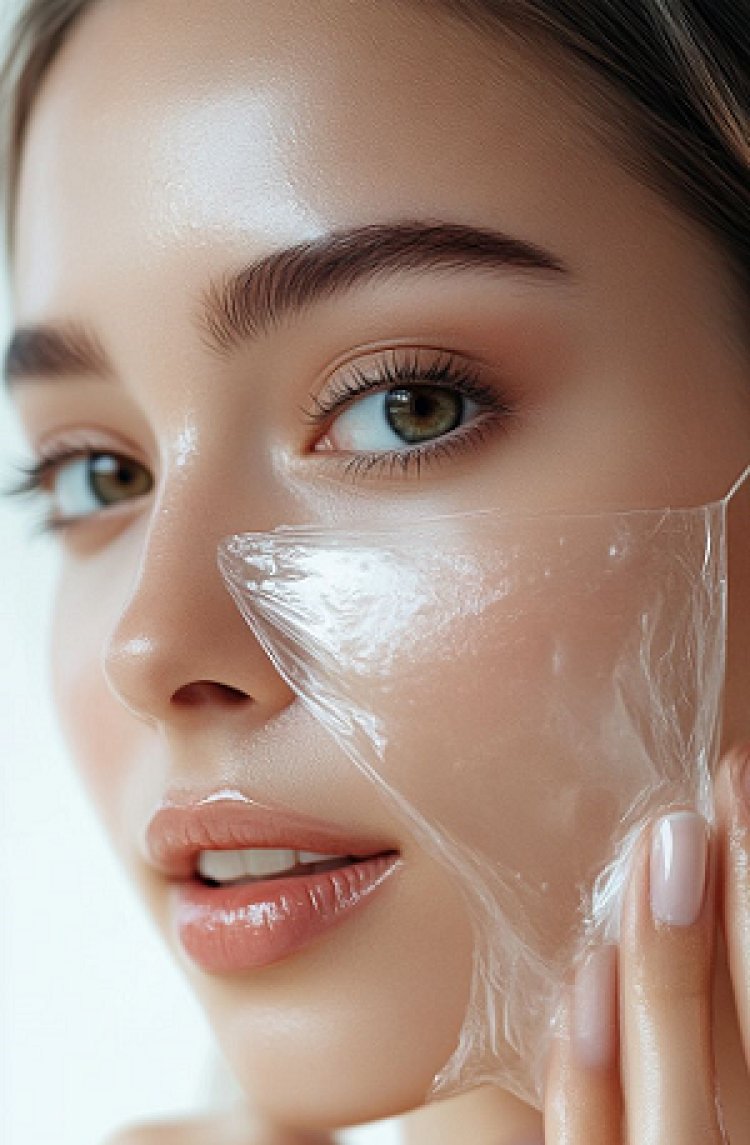
Navigating the world of advanced skincare can be complex, particularly when seeking a balance between clinical efficacy and safety. A chemical peel in Dubai offers a medically backed solution for those looking to refine their skin’s texture and address chronic concerns such as sun damage or irregular pigmentation. By using specific acidic formulations to induce a controlled exfoliation, this treatment removes compromised surface cells to reveal the healthier, more resilient tissue beneath.
The Fundamentals: What is a Chemical peel in Dubai?
At its core, a chemical peel is a form of chemexfoliation designed to improve skin health through targeted ablation. Unlike manual scrubs that only affect the very surface, a chemical peel in Dubai utilizes pharmaceutical-grade agents like Salicylic, Glycolic, or Trichloroacetic acid (TCA). These solutions penetrate various depths of the skin—ranging from the superficial epidermis to the deeper reticular dermis—depending on the specific clinical goal.
In our clinical experience, the choice of acid is just as important as the concentration. For instance, lipophilic acids like Salicylic acid are ideal for oily, acne-prone skin because they can penetrate the sebaceous follicles. Conversely, Glycolic acid is often favored for its ability to stimulate collagen and improve hydration in aging skin.
Cellular Regeneration: How a Chemical peel in Dubai Works
The mechanism of action involves more than just "peeling." When the solution is applied, it causes controlled keratocoagulation—the denaturation of proteins within the skin layers. This process sends a biochemical signal to the body that the barrier has been compromised, triggering a cascade of natural healing events.
-
Cytokine Release: The "trauma" signals the release of proinflammatory cytokines that jumpstart cellular repair.
-
Fibroblast Activation: Deep-seated cells are stimulated to produce fresh collagen and elastin.
-
Melanin Regulation: By accelerating cell turnover, the peel helps disperse accumulated pockets of pigment, leading to a more uniform tone.
What patients typically report during recovery is a sensation of the skin being "tight" or "shiny" before the visible shedding begins. This is a sign that the old, damaged proteins are detaching to make way for the new.
Clinical Intent: Why a Chemical peel in Dubai Is Used
The purpose of undergoing professional peeling is often multifaceted. While many seek the treatment for a "red carpet glow," its primary medical value lies in its ability to treat specific dermatological conditions that topical home care cannot resolve.
-
Addressing Actinic Keratosis: Treating precancerous skin lesions caused by years of sun exposure.
-
Acne Scar Management: Leveling out the skin surface to reduce the depth of "pitted" scars.
-
Correcting Dyschromia: Evening out patches of melasma or post-inflammatory hyperpigmentation (PIH).
-
Biological De-aging: Softening fine lines and "smile lines" by thickening the dermal layer.
Documented Success: Benefits of a Chemical peel in Dubai
The benefits of a medical-grade peel are cumulative. While a single "lunchtime" peel provides immediate brightening, a series of treatments can fundamentally alter the skin's structural integrity. One major advantage is the improvement in skin "breathability" and product absorption; once the layer of dead corneocytes is removed, your specialized serums can finally reach their intended targets in the deeper skin layers.
Furthermore, peels are highly customizable. We can adjust the "frosting" time—the point at which the acid has reached the desired depth—to ensure maximum results with minimal risk. This precision allows us to treat delicate areas like the perioral (around the mouth) or periorbital (around the eyes) zones safely.
Patient Selection: Ideal Candidates for Resurfacing
Who can benefit most from this treatment? Generally, anyone experiencing dullness, congestion, or early signs of photoaging. However, we take special care with patients who have darker skin tones (Fitzpatrick scales IV–VI). For these individuals, we often utilize "self-neutralizing" peels or lower concentrations to prevent irregular darkening after the treatment.
| Candidate Type | Recommended Peel Depth | Primary Goal |
| Early Aging | Superficial (AHA/BHA) | Radiance & Fine Lines |
| Acne-Prone | Superficial to Medium | Pore Clearing & Scarring |
| Severe Sun Damage | Medium to Deep (TCA) | Deep Wrinkles & Texture |
The Clinical Protocol: Step-by-Step Treatment
A professional session is a highly controlled environment. We follow a strict algorithmic protocol to ensure safety:
-
Degreasing: The skin is stripped of natural oils using an alcohol or acetone-based prep to allow the acid to penetrate evenly.
-
Application: The solution is applied in "aesthetic units"—treating the forehead, then the cheeks, then the chin—to monitor the skin's reaction in real-time.
-
Observation: We look for specific markers like "erythema" (redness) or "frosting" (a white appearance indicating protein coagulation).
-
Neutralization/Stabilization: Some peels are washed off, while others are "self-neutralizing" and remain on the skin to absorb overnight.
-
Post-Procedure Shield: A thick barrier repair cream and a mineral SPF are applied to protect the newly vulnerable tissue.
Zonal Focus: Common Treatment Areas
While the face is the primary focus, the body also responds remarkably well to chemical resurfacing. The back is a frequent target zone for those dealing with "bacne" or follicular congestion. The chest (décolletage) is another critical area, as the skin here is thin and prone to "crepeyness" and sun spots. Even the tops of the hands, which often betray age through "liver spots," can be significantly rejuvenated with a medium-depth peel.
Financial Considerations: Cost Factors
When considering a chemical peel, it is important to understand that value is tied to the clinical grade of the ingredients and the practitioner's expertise. Deep peels, which may require specialized monitoring or even light sedation, involve different logistical factors than a superficial "glow" treatment. The number of sessions in a recommended "loading phase" (usually 3–6 sessions) will also influence the total investment in your skin health.
The Healing Curve: Recovery Timeline
Recovery is a process of patience. For a medium-depth peel, the timeline usually follows this structure:
-
Days 1–2: Redness and heat. The skin feels like a mild sunburn.
-
Days 3–4: The "worst" days for flaking. Peeling usually starts around the mouth where the face is most mobile.
-
Days 5–7: Larger flakes shed. The skin underneath may appear slightly pink but very smooth.
-
Day 10+: Full epithelialization is complete. The skin's barrier is restored.
Risk Mitigation: Side Effects and Safety
Safety is our priority. While complications are rare, they can include temporary hyperpigmentation or, in very deep peels, a risk of viral reactivation (like cold sores). This is why we often prescribe antiviral medication as a preventative measure for certain patients. Avoiding the urge to "help" the peeling process by picking at the skin is the single most important rule to prevent scarring.
Long-Term Success: Post-Treatment Care
Maintaining your results requires a shift in your daily routine. In the high-UV environment of the Middle East, sun protection is non-negotiable.
-
Use Cool Water: Hot water can exacerbate inflammation; stick to lukewarm or cool rinses.
-
Moisturize Frequently: Keeping the skin supple prevents "cracking," which can lead to infection.
-
Avoid "Actives": No Retin-A, Vitamin C, or harsh scrubs for at least 7–10 days post-peel.
-
Hydrate: Increasing your water intake helps the body support new cell growth from the inside out.
Conclusion
A professional peel is one of the most reliable ways to achieve long-term skin health and a refined aesthetic. While the "peeling" phase requires a few days of social downtime, the reward is a rejuvenated, youthful complexion that reflects light beautifully. We believe in providing personalized care that respects the unique biology of your skin. Learn if this treatment is right for your lifestyle by consulting the experts at Tajmeels Clinic.