Speed vs Quality: How McDonald’s Drive Thru Kiosk Balances Both
 athulya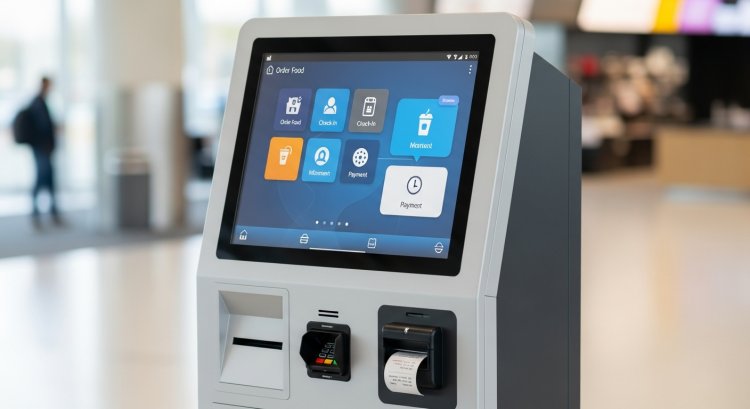
In today’s fast-paced world, consumers expect quick service without compromising quality—especially in the fast-food industry. McDonald’s, a global leader in Quick Service Restaurants (QSR), has long been recognized for its efficient service and consistent product quality. One of the most transformative innovations in achieving this balance is the kiosk machine integrated into the mcdonals drive thru. These kiosks are redefining how customers order, pay, and receive their food by seamlessly combining speed and precision.
This article explores how McDonald’s drive-thru kiosks maintain the delicate equilibrium between fast service and high-quality standards, highlighting the technology, design, and operational strategies behind their success.
The Need for Speed in Modern Drive-Thrus
The modern customer is always on the go, whether commuting, traveling, or running errands. Waiting in long drive-thru lines is no longer acceptable for most consumers. The mcdonals drive thru has had to adapt to these expectations, focusing heavily on minimizing wait times while maintaining service reliability.
Key Drivers of Speed
-
High-Volume Efficiency: Traditional human-based drive-thrus often bottleneck at peak hours. Kiosk machines streamline the ordering process, ensuring multiple orders are processed simultaneously without confusion.
-
Automated Order Processing: Kiosks capture orders directly into the kitchen system, eliminating the need for manual transcription by staff.
-
Optimized Menu Navigation: Customers can quickly scroll through a visual menu on the kiosk, with intelligent prompts that reduce decision-making time.
By integrating technology, McDonald’s ensures that speed does not come at the cost of accuracy or service quality.
Maintaining Quality Through Technology
Speed is crucial, but quality remains a non-negotiable component of McDonald’s brand promise. A fast order is useless if the customer receives the wrong item or a subpar product. Here’s how kiosk machines help maintain high standards:
1. Accurate Order Capture
Human errors, especially in busy drive-thrus, can lead to incorrect orders. Kiosk machines remove this risk by capturing every customization digitally. Customers can specify:
-
Meal modifications (no onions, extra cheese, etc.)
-
Specific cooking preferences
-
Combo selections and add-ons
This precise digital recording ensures that the kitchen receives the correct order every time, maintaining product quality and customer satisfaction.
2. Real-Time Inventory Management
Kiosks are integrated with McDonald’s inventory systems. When an item is out of stock, it is automatically removed from the digital menu. This prevents frustration caused by unavailable items and ensures that every order can be fulfilled to quality standards.
3. Standardized Preparation Guidelines
Kiosk machines work in tandem with kitchen display systems, guiding staff on preparation priorities. By aligning order data with preparation protocols, McDonald’s ensures that food is cooked to the same quality, whether it’s a burger, fries, or a dessert.
Design Features That Balance Speed and Quality
The mcdonals drive thru kiosk is more than just a touch screen—it’s a carefully engineered system designed for optimal performance. Key design features include:
1. Intuitive User Interface
The interface is designed to reduce decision fatigue. Clear images, well-organized categories, and intuitive navigation allow customers to place orders quickly. By reducing the time spent selecting items, the system increases throughput without rushing customers.
2. Dynamic Menu Display
The kiosk can adapt its menu based on:
-
Time of day (breakfast, lunch, dinner)
-
Customer location
-
Popular or promotional items
This ensures that customers are presented with relevant options quickly, while also encouraging upselling without compromising choice quality.
3. Contactless Interaction
Many modern kiosks are touchless or support NFC and QR code-based ordering. This reduces friction during ordering, speeds up the process, and enhances hygiene standards—a critical component of perceived quality in today’s market.
How Kiosk Machines Improve Order Accuracy
Accuracy is directly linked to perceived quality. Incorrect or incomplete orders can negatively affect customer satisfaction. Here’s how kiosk machines enhance accuracy:
-
Clear Order Review Screens: Customers can review their order before submission, minimizing mistakes.
-
Automatic Error Checks: The system flags incompatible combinations or missing components in meals.
-
Integration With Kitchen Display Systems: Orders appear digitally for kitchen staff, reducing miscommunication.
By addressing potential errors before they occur, McDonald’s ensures that speed does not undermine quality.
The Role of Data in Balancing Speed and Quality
Kiosk machines collect valuable data on ordering patterns, peak times, and customer preferences. This information allows McDonald’s to optimize both operations and menu offerings:
-
Peak Hour Analysis: Staff and kitchen operations are adjusted to handle higher volumes efficiently.
-
Popular Item Promotion: Highlighting frequently ordered items streamlines customer decisions and reduces ordering time.
-
Inventory Forecasting: Predictive analytics ensure popular items are adequately stocked, avoiding delays or substitutions.
By leveraging data intelligently, McDonald’s maintains high-speed service while ensuring consistent quality.
Customer Experience: The Human Factor
While technology is critical, the human element cannot be ignored. Kiosk machines do not replace staff—they augment their role. Staff focus on food preparation, customer interactions, and quality control while the kiosk handles ordering. This division of labor allows McDonald’s to provide a faster, more accurate, and enjoyable customer experience.
Benefits for Customers
-
Faster service and shorter lines
-
Accurate orders tailored to preferences
-
Reduced waiting time for payment
-
Smooth and intuitive ordering process
Benefits for Staff
-
Less pressure during peak hours
-
Fewer errors to manage or correct
-
More time for quality checks and customer engagement
Case Studies: Real-World Impact of Drive-Thru Kiosks
Several McDonald’s locations globally have reported measurable improvements after implementing kiosk machines in their drive-thrus:
-
Increased Throughput: Average order processing times reduced by up to 30%, allowing more cars to be served during peak periods.
-
Reduced Errors: Order accuracy improved significantly, resulting in fewer complaints and higher customer satisfaction scores.
-
Higher Average Order Value: Kiosks promote upselling and combo suggestions effectively, increasing revenue per customer.
These results underscore the balance McDonald’s achieves between speed and quality through technology-driven solutions.
Challenges and Solutions
While kiosk machines offer immense benefits, they also present challenges:
1. Customer Adaptation
Some customers may be unfamiliar with digital ordering. McDonald’s addresses this through clear instructions, optional staff assistance, and mobile app integration.
2. Technical Maintenance
Kiosks require regular maintenance to avoid downtime. McDonald’s employs dedicated technical teams to ensure all systems function optimally.
3. Balancing Automation and Personal Touch
Automation must not feel impersonal. McDonald’s addresses this by keeping staff available for support, while kiosks handle routine ordering tasks.
Future Trends in Drive-Thru Technology
The future of mcdonals drive thru kiosks will further refine the balance between speed and quality:
-
AI Predictive Ordering: Kiosks may anticipate orders based on customer history and real-time traffic data.
-
License Plate Recognition: Personalized menus can appear as soon as the car arrives.
-
Integrated Delivery Options: Kiosks will handle multiple order channels, including app and pickup services.
-
Robotic Food Handling: Future kiosks may integrate with robotic systems to further enhance speed while maintaining consistent quality.
These innovations promise to make drive-thru service even more efficient without compromising McDonald’s signature standards.
Conclusion
The McDonald’s drive-thru kiosk demonstrates how speed and quality can coexist in the fast-food industry. By leveraging kiosk machines, McDonald’s has optimized order processing, reduced errors, enhanced customer satisfaction, and maintained product consistency. Through thoughtful design, integration with kitchen systems, intelligent data use, and a focus on the human experience, the mcdonals drive thru continues to set industry standards for fast, reliable, and high-quality service.
As technology evolves, McDonald’s commitment to balancing efficiency with quality ensures that customers continue to enjoy the convenience of fast service without ever compromising the taste, accuracy, or reliability they expect.