India Visit: What's Brewing in New Delhi at Geopolitics' Sharpest Turn
Russian President Vladimir Putin's December 4 visit to India is not starting like a typical summit.
 prativad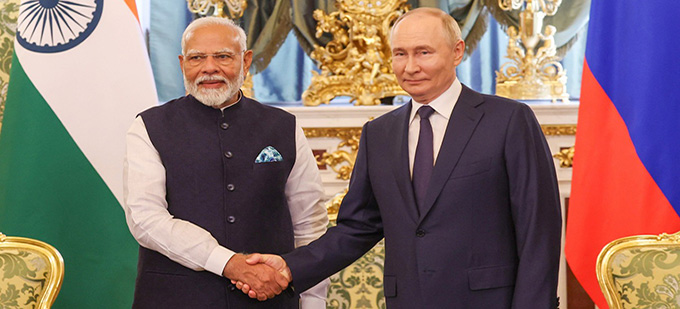
Russian President Vladimir Putin's December 4 visit to India is not starting like a typical summit. The backdrop this time includes the Ukraine war, the US's new sanctions policy, 50 percent tariffs, and rising anxiety in global supply chains.
In other words, this visit is not just an event for warm handshakes; it will determine the next direction of India-Russia relations.
This picture must be analyzed in four distinct parts: Defence, Space, Economic Ties, and the New Diplomatic Reality.
1) Defence: The Heaviest and Most Sensitive File for India-Russia
The highest-stakes component of this visit is the joint production of the Sukhoi Su-57. India is looking to upgrade its military capability with next-generation technology, and Russia wants to bring its traditional customer back to center stage.
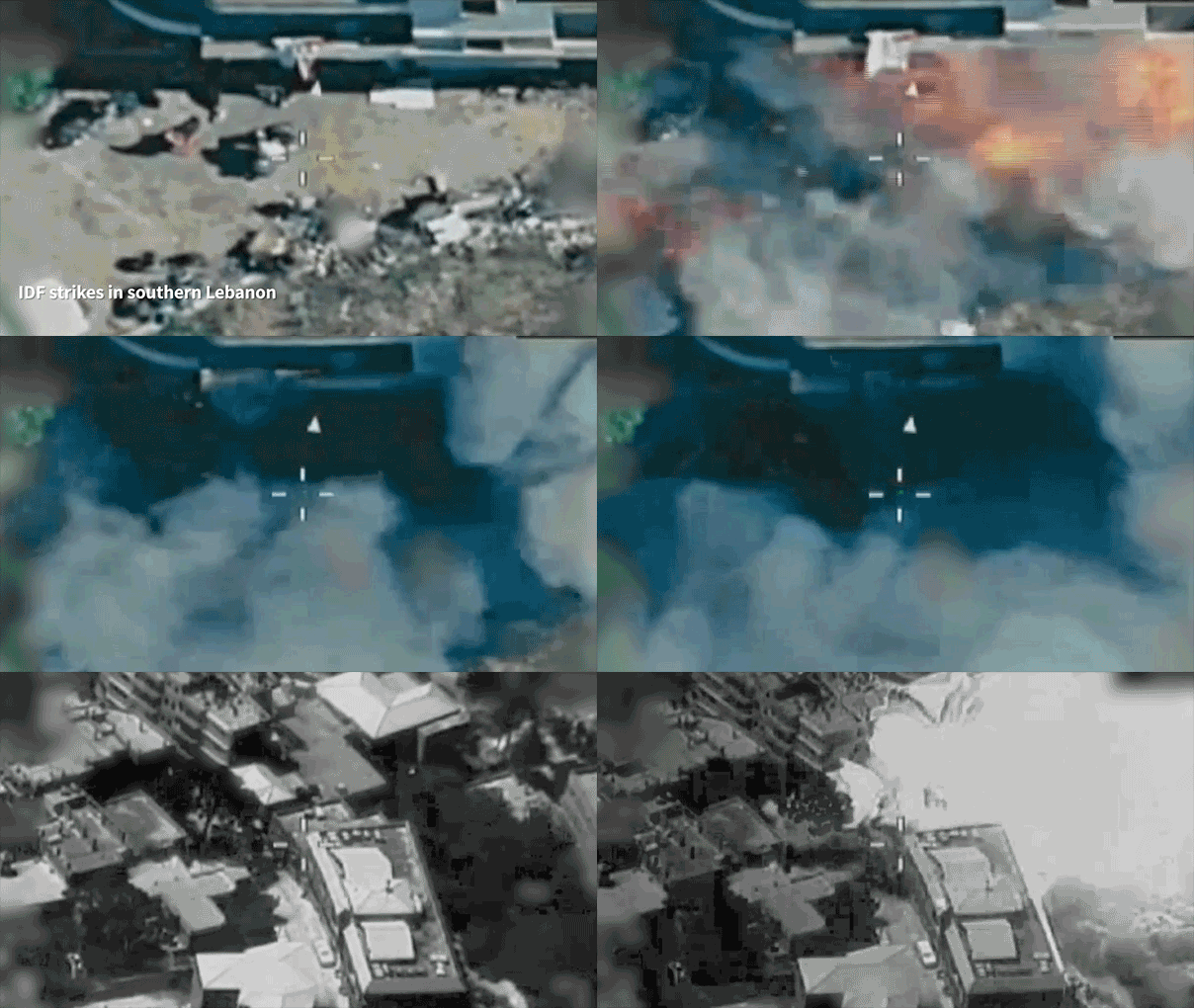
What is new? The lower house of the Russian Parliament has just approved a significant agreement allowing India and Russia to deploy military units, drills, and humanitarian missions on each other's soil. This moves two steps beyond a normal defence partnership.
New Delhi's 'Make in India' policy also presents new opportunities for Russia. Rosoboronexport, Russia's arms exporter, even gave a detailed demo to Indian media at the Dubai Airshow to show how closely it can work with local partners.
Overall, the defence file is at the very top of Putin's bag.
2) Space: The Clearest and Most Reliable Pillar of Partnership
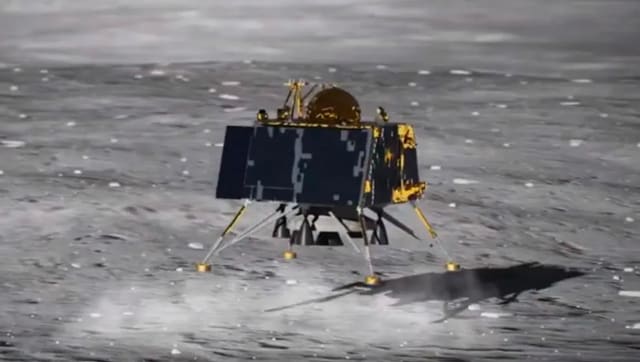
India and Russia have been space partners since the 1960s. Rakesh Sharma's 1984 flight aboard the Soviet Soyuz was its most symbolic moment.
The current discussions are on:
-
New space engines
-
Rocket fuel
-
Piloted spaceflight
-
National Orbital Station
-
Russia's technical role in the Gaganyaan mission
Russia’s space agency, Roscosmos, views this visit as a "reset plus upgrade" in the space sector.
3) Economy: De-dollarizing, UPI-Mir Link, and the $100 Billion Target
Just before the visit, Putin clearly stated that enhancing economic cooperation with India is a priority.
Three key developments:
-
Reciprocal recognition of Mir + RuPay
-
Connectivity between SBP (Russia’s Faster Payment System) and UPI
-
90 percent of trade is now in Rupee-Rouble
This is not just a financial experiment; it's a test lab for global de-dollarization. If this model holds up, it could become a blueprint for other countries.
India and Russia aim to reach $100 billion in bilateral trade by 2030.
The current picture is imbalanced:
-
India's exports to Russia: approximately $5 billion
-
Russia's exports to India: approximately $64 billion
This disparity is so large that Putin himself has ordered his government to find solutions for it.
4) Diplomacy: 'Putin-Modi Chemistry' and the Balancing Act under Global Pressures
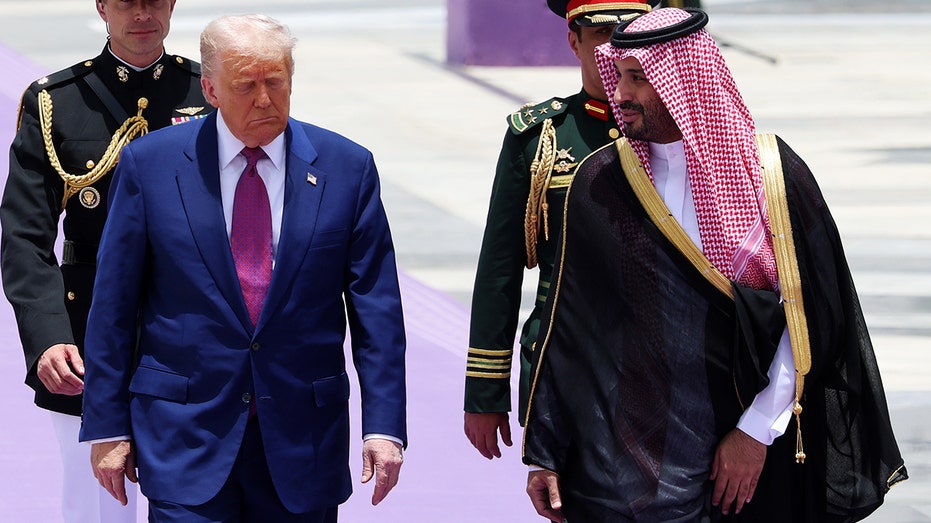
This is Putin's first India visit since the Ukraine conflict, underscoring the priority Moscow places on New Delhi. The two leaders met at the SCO Summit in September, and this visit signals the return of the annual high-level summit.
India recently opened two new Consulates in Kazan and Yekaterinburg—this is not a minor step; it's a geopolitical message that ties will move onto a more active track.
Moscow openly praises India's "balanced stance," especially on Ukraine. This approach is visible to Washington and Brussels alike.
The Big Question: What Could This Visit Change for India?
India must find an answer to the shock of the new US tariffs. Russia needs the Indian market, or its economic pivot to Asia will remain incomplete. Both must redefine their friendship in an era where every move is weighed like a straw in global politics.
India is navigating all of this at a time when it has pressure-filled relations with China, the US, the EU, and Russia—all at once. That is why Putin's visit is not just a call, but a strategic test.
The Putin-Modi Summit is taking place during one of the most volatile periods in today's world. If both countries can transform their agendas into practical roadmaps, the India-Russia relationship could emerge as a new model in the next decade—
A model where defence, space, and economy all revolve around a single axis: long-term trust, not changing headlines.











)