RGB Implants: Tech Toys or the Next Big Leap in Body Mods?
Silicon Valley and Berlin startups have decided that wearable tech is too… wearable.
 prativad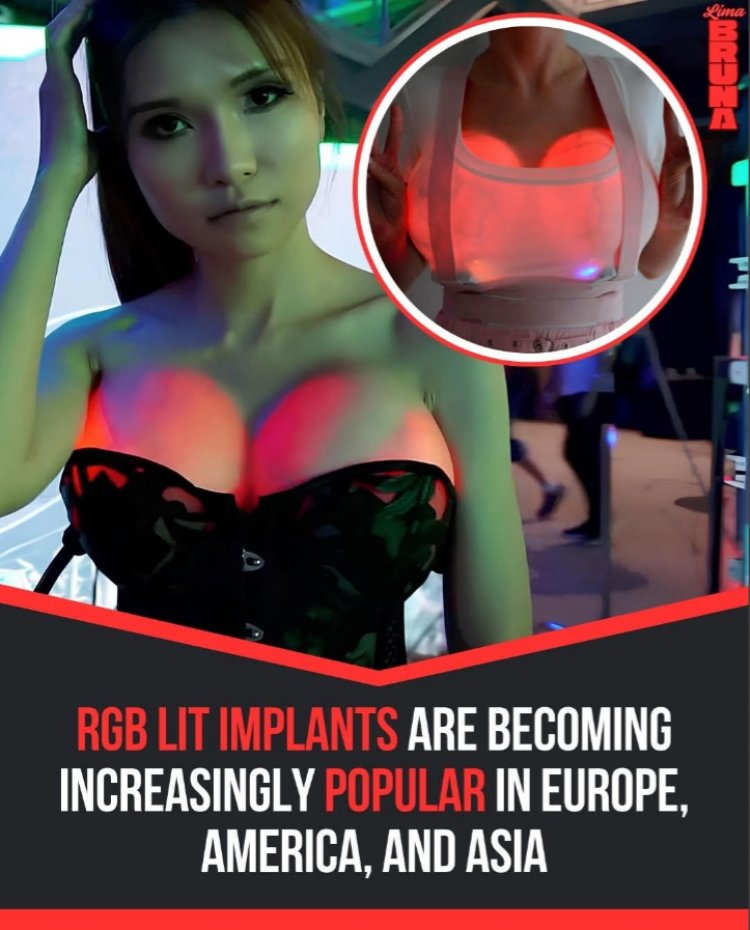
Silicon Valley and Berlin startups have decided that wearable tech is too… wearable. Their new toys are tiny RGB light implants that sit under the skin and let users change colors and brightness straight from a mobile app. Think of it as mood lighting, but on your body.
The tech is still more style than science. Experts admit there’s little medical value for now, but these implants are cracking open a new niche where personalized electronics and body modification blend into one future-facing experiment.
The early adopters are exactly who you think they are: young creators, gamers, cyberpunk fans, and anyone who’s ever wished they could glow like their gaming PC. For many, it’s pure self-expression. A few even shrug and call it “permanent cosplay,” which might not be entirely wrong.
Manufacturers insist the implants are safe, claiming biocompatible materials and minimally invasive procedures. Skeptics, meanwhile, are asking predictable but fair questions: what about infections, long-term wear, and the small issue of putting electronics inside your body? No clear answers yet, just a lot of enthusiasm and some glowing wrists.
What’s surprising is how quickly the creative world has jumped in. Fashion designers are experimenting with illuminated patterns under the skin. Musicians are using implants as part of live shows, syncing lights with beats. It’s early, but the art crowd seems ready to adopt anything that blurs lines between body and tech.
Analysts think the market for these “smart body accessories” could hit a few hundred million dollars by 2027, assuming society becomes comfortable with the idea of people literally lighting up around them. If nothing else, it’ll make spotting friends in a dark club much easier.
The RGB implant wave is young, a little wild, and a glimpse of the direction our tech-obsessed culture is willing to take—right under the skin.













:quality(85):upscale()/2024/05/23/834/n/1922564/e425d5c6664f9278ab9a03.56957793_.png)
:quality(85):upscale()/2024/02/07/984/n/1922564/1080495565c406533068b6.59693994_.png)