ISO 22000 Malaysia: A Practical Guide for Paper Packaging Producers
ISO 22000 isn’t a one-time fix—it’s a mindset. The companies that thrive are the ones that keep adapting, refining, and innovating.
 daniel123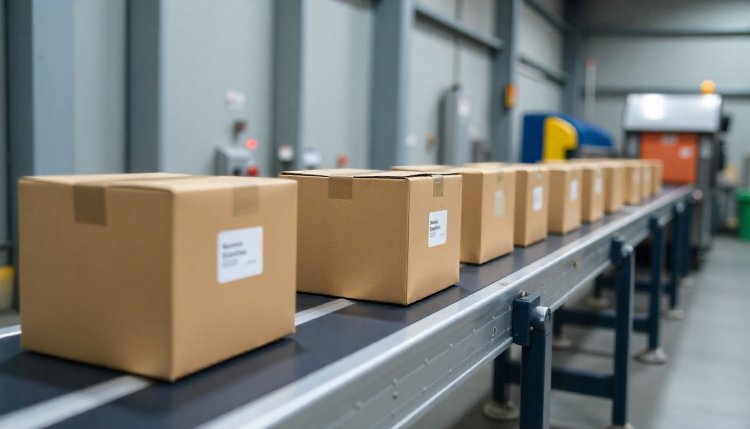
Ever wondered why some packaging companies just seem to stay ahead of the game while others struggle with recalls or customer complaints? You know what—it’s not luck. Often, it comes down to one thing: food safety management, and in Malaysia, ISO 22000 is the name everyone’s talking about.
Now, before you roll your eyes thinking, “Oh, another standard to comply with,” hear me out. This isn’t just paperwork. For paper packaging producers, especially those handling food-related products, ISO 22000 is more like a shield, a way to make sure your materials are safe, your clients are happy, and your reputation doesn’t take a hit when a tiny contamination issue pops up. Yes, even cardboard can be a culprit if it’s not handled right.
Why ISO 22000 Matters for Paper Packaging
Let’s get real for a second: paper packaging isn’t just about printing logos or folding boxes neatly. When these packages carry food, every inch of that cardboard—or recycled fiber—can influence the safety of what’s inside. Moisture, inks, adhesives, or even poor storage can introduce hazards. And once that hits the consumer, it’s not just your reputation on the line—it’s your contracts, your exports, and sometimes, even legal consequences.
ISO 22000 provides a structured framework to handle these risks. It’s not some abstract, bureaucratic nightmare; it’s more like a checklist for keeping trouble at bay. You know, the kind of checklist that, once followed, actually makes life easier rather than harder.
And here’s the kicker: compliance isn’t the only benefit. Companies that embrace ISO 22000 often find that operations run smoother, waste reduces, and clients—especially those in food and beverage—trust them instantly. Wouldn’t you rather be the brand that inspires confidence the moment a product leaves your facility?
Understanding ISO 22000 – The Basics
Alright, so what is ISO 22000 anyway? In plain language, it’s a global standard for food safety management systems (FSMS). It combines the principles of HACCP (Hazard Analysis and Critical Control Points) with a robust management system, ensuring that your processes are not only safe but systematically managed.
Think of it like a recipe for safety. You wouldn’t bake a cake without knowing how each ingredient behaves under heat, right? The same principle applies here: moisture in cardboard, chemical residues in inks, or improper storage temperatures can all “spoil the cake.” ISO 22000 ensures you know where those potential hazards lie and how to control them.
It’s about being proactive—catching problems before they turn into costly mistakes. And the beauty is, once the system is in place, it flows naturally into daily operations. Staff know what’s expected, records are clear, and everyone—from production line workers to management—is aligned without constant micromanagement.
Getting Started in Malaysia – Practical Steps
So, where do you start if you’re a paper packaging producer in Malaysia? Honestly, the first step is understanding the local regulatory landscape. The Malaysian Food Act and agencies like the Food Safety and Quality Division (FSQ) set the rules. ISO 22000 isn’t a replacement for these regulations; it complements them.
Next up: gap analysis. This is like taking stock of where you are versus where you need to be. Look at your processes—storage, ink usage, moisture control, supplier checks. What’s working? What’s risky? Once you know, you can move on to risk assessment and staff training.
Here’s the thing—training doesn’t have to be boring. Make it practical. Show staff real examples of contamination, let them touch, feel, and understand the “why” behind the rules. And don’t shy away from getting a local consultant if needed. Sometimes it’s easier to get someone who knows the Malaysian market nuances rather than reinventing the wheel.
Honestly, implementing ISO 22000 malaysia for the first time can feel a bit like assembling IKEA furniture—confusing instructions, a few extra screws—but with patience, it all comes together. And the result? A system that actually protects your business.
Common Challenges for Paper Packaging Producers
Now, let’s not sugarcoat it. ISO 22000 implementation has its challenges, especially for paper packaging producers.
First, material-specific issues. Recycled paper is fantastic for sustainability, but it can harbor contaminants if not handled carefully. Inks and adhesives, if not food-safe, can migrate into products. These aren’t abstract concerns—they’re real risks you have to address every day.
Then there’s operational headaches. Malaysia’s humid climate is no friend to cardboard. Keeping materials dry, controlling storage temperatures, and monitoring humidity require consistent effort. And during monsoon season? Let’s just say “keeping cardboard dry” becomes a near full-time job.
Finally, workforce challenges. Staff turnover, varied levels of awareness, and old habits can throw a wrench into the system. It’s one thing to have ISO 22000 procedures written on paper, but it’s another to have everyone actually follow them—day in, day out.
But don’t panic. Recognizing these challenges early allows you to design practical controls, training, and monitoring systems that actually stick.
Real-Life Examples in Malaysia
You might be wondering: “Does this actually work in Malaysia?” Absolutely. Take, for instance, PaperTech Sdn Bhd, a mid-sized packaging company in Selangor. They implemented ISO 22000 two years ago, focused on staff training and supplier audits. Result? A 30% reduction in customer complaints and smoother export approvals.
Another example is EcoPack Malaysia, which integrated ISO 22000 with sustainable packaging initiatives. Their clients, mostly in the F&B sector, appreciated not only the safety compliance but also the environmental consciousness. Seasonal demand spikes, like during Hari Raya or Chinese New Year, no longer caused chaos—they had systems to ensure both quality and timely delivery.
Stories like these prove it: ISO 22000 isn’t just a standard; it’s a practical roadmap that works when executed thoughtfully.
Tips for Smooth Implementation
Okay, so you’re convinced ISO 22000 is worth it. How do you make it stick without losing your mind?
- Engage your staff: Make safety a part of the culture, not just a checkbox. Celebrate small wins.
- Record-keeping: Keep it simple. Use digital tools where possible—spreadsheets, mobile apps, even QR-coded logs.
- Supplier management: Your packaging is only as safe as the raw materials. Ensure suppliers meet standards.
- Regular audits: Not just for compliance—audits help catch slips early.
Honestly, the paperwork only looks scary if you treat it like a monster under the bed. Once integrated into daily routines, it becomes second nature.
Future Trends & Staying Ahead
Looking forward, the world of paper packaging in Malaysia is evolving rapidly. Sustainability is becoming central—eco-friendly inks, biodegradable coatings, and circular economy principles are gaining traction. ISO 22000 compliance complements these trends because safety and sustainability often go hand in hand.
Technology is also playing a role. IoT sensors, digital temperature and humidity monitoring, even AI-assisted quality checks are starting to pop up in forward-thinking packaging plants. And let’s not forget continuous improvement. ISO 22000 isn’t a one-time fix—it’s a mindset. The companies that thrive are the ones that keep adapting, refining, and innovating.
Conclusion
So, what’s the takeaway here? ISO 22000 isn’t just another bureaucratic hoop. For Malaysian paper packaging producers, it’s a practical, effective way to protect consumers, enhance brand trust, and open doors to bigger markets.
Implementing it may have challenges—humidity, staff training, material hazards—but the benefits far outweigh the effort. Trust, efficiency, and client confidence are the kind of returns that keep your business healthy, profitable, and respected.
So, ask yourself: are you ready to make food safety your brand’s secret ingredient? Because in a competitive industry like packaging, that little edge can make all the difference.