Emergency Guide: How Elastics Aid Orthodontic Treatment
Manage broken or lost orthodontic elastics effectively. Tips for safe use, emergency care, and maintaining treatment progress efficiently.
 Emergencydentist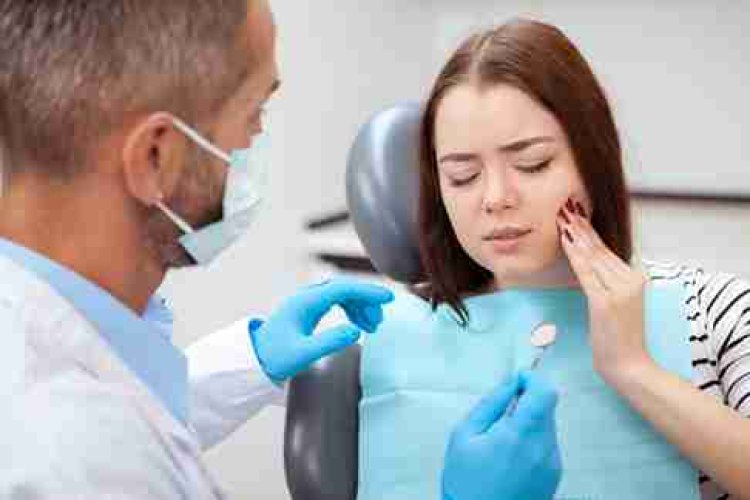
Orthodontic treatment is no longer just about straightening teeth for aesthetic purposes. It also improves bite alignment, oral function, and overall dental health. One of the key tools in achieving precise tooth movement is the use of orthodontic elastics. These small rubber bands play a crucial role in correcting bite issues and ensuring teeth align properly. While generally safe and effective, elastics require careful management. Improper use or unexpected damage can lead to discomfort, treatment delays, or even minor emergencies. Understanding their purpose, potential issues, and how to respond promptly is essential for a smooth orthodontic journey.
Understanding Orthodontic Elastics
Orthodontic elastics, often referred to as rubber bands, are small but powerful components of orthodontic treatment. They are designed to exert gentle, continuous pressure on teeth and jaws, helping correct bite discrepancies such as overbites, underbites, or crossbites. Elastics are typically attached to brackets using hooks on both upper and lower teeth, applying tension in specific directions as prescribed by an orthodontist.
Types of Elastics
- Class I: Used for minor bite adjustments.
Class II: Helps correct overbites by pulling upper teeth backward and lower teeth forward. - Class III: Helps correct underbites by moving lower teeth backward and upper teeth forward.
Elastics come in different sizes and strengths, tailored to the patient’s treatment plan. Proper usage according to orthodontic instructions ensures teeth move efficiently, safely, and predictably.

Common Issues with Orthodontic Elastics
Even with careful use, elastics can sometimes lead to problems. Recognising these issues early allows patients to take appropriate steps before complications arise.
Typical Problems
|
Issue |
Cause |
Impact |
|
Broken elastic |
Overstretching, accidental snapping |
Disrupted tooth movement, minor discomfort |
|
Lost elastic |
Slippage or removal |
Delay in treatment progress |
|
Incorrect placement |
Misunderstanding instructions |
Misaligned bite, extended treatment |
|
Skin irritation |
Sensitive gums or allergy |
Discomfort or sores |
Understanding these potential issues is important to prevent interruptions in orthodontic care.
Immediate Steps During an Elastic Emergency
Occasionally, elastics may break, get lost, or cause irritation. Acting quickly and correctly can prevent discomfort and protect treatment progress.
1. Broken or Lost Elastics
- Replace immediately if a spare elastic is available.
- Ensure proper placement as instructed by your orthodontist.
- If no replacement is available, contact your orthodontist Exeter for guidance.
2. Incorrect Placement
- Carefully reposition elastics according to your orthodontist’s instructions.
- Avoid guessing or improvising, as incorrect placement can delay treatment.
3. Skin Irritation or Sores
- Apply orthodontic wax to protect affected gums or cheeks.
- Rinse with warm salt water to soothe discomfort.
- Use mild pain relief if necessary, avoiding aspirin directly on the tissue.
4. Persistent Discomfort
- If pain, swelling, or irritation persists beyond 24 hours, seek professional advice.
- Contact an emergency dentist in Exeter for prompt evaluation, especially if accompanied by bleeding or other complications.
These steps can help manage minor emergencies at home, but professional support ensures safety and treatment continuity.
When to Seek Professional Help
Not all elastic issues can be managed at home. Certain symptoms indicate that professional care is required:
- Continuous pain or swelling that does not subside with basic care.
- Significant misalignment caused by improper elastic use.
- Signs of infection, such as redness, pus, or excessive bleeding.
- Allergic reactions to the elastic material.
- Damage to brackets or wires associated with elastic problems.
Prompt attention from an orthodontist Exeter or an emergency dentist in Exeter prevents treatment delays, reduces discomfort, and ensures teeth continue moving as planned.
Preventive Measures for Elastic Related Issues
The best way to avoid elastic emergencies is through preventive care. Simple measures can reduce risk and ensure smoother treatment progress.
Practical Tips
- Follow instructions strictly: Wear elastics exactly as prescribed.
- Keep spare elastics: Store them in a clean, protective case.
- Avoid overstretching: Never pull elastics beyond their intended tension.
- Monitor skin health: Check for irritation regularly and apply wax if needed.
- Attend all appointments: Regular check ups allow your orthodontist to identify potential issues early.
Emergency Elastic Kit
|
Item |
Purpose |
|
Orthodontic wax |
Protects gums and cheeks from rubbing |
|
Spare elastics |
Immediate replacement if lost or broken |
|
Small mirror |
Helps inspect placement and fit |
|
Tweezers |
Safe handling of elastics |
|
Contact info |
Quick access to orthodontist or emergency dentist |
Keeping these items ready helps manage small issues calmly and effectively, preventing them from escalating into bigger problems.
Caring for Your Elastics During Sports and Physical Activity
Engaging in sports or active hobbies while wearing elastics requires extra care to prevent emergencies. Physical activity can increase the risk of elastics snapping, brackets loosening, or wires dislodging. Follow these practical tips:
- Wear a mouthguard: Protect both teeth and elastics during contact sports.
- Check elastics before and after activity: Ensure none are lost or stretched excessively.
- Carry spares: Keep a few extra elastics in your sports bag for immediate replacement.
- Avoid biting or chewing objects: Pens or sports equipment can damage elastics.
By being proactive, you minimise interruptions to treatment while staying safe and active.

Maintaining Your Orthodontic Progress
Elastics are highly effective when used correctly and consistently. Proper management directly impacts the speed and success of treatment:
- Regular wear ensures teeth move according to the treatment plan.
- Proper handling prevents unnecessary delays or discomfort.
- Awareness of potential issues allows patients to act quickly when problems arise.
- Consistent communication with the orthodontic team reinforces correct usage and prevents mistakes.
By taking responsibility for elastic care, patients play an active role in achieving a healthy, aligned smile efficiently.
Conclusion
Orthodontic elastics are small but powerful tools in creating a straighter, healthier smile. While minor issues such as broken, lost, or misaligned elastics can occur, knowing how to manage them at home and when to seek professional help ensures treatment remains on track. Preventive measures, careful handling, and maintaining an emergency kit enhance patient comfort and reduce the risk of delays. For reliable support with elastic emergencies or orthodontic guidance, the dedicated team in Exeter is always available, providing expert care to help you achieve the best possible results safely and efficiently.